
Kentucky Form PTE Overview

Kentucky Form PTE 2023 instructions guide entities through required schedules‚ attaching Column A and B to Forms 720‚ 720U‚ PTE‚ or 725․ It outlines gross receipt calculations‚ profit adjustments‚ and filing prerequisites․ for compliance․ Kentucky!

Purpose and Scope of the 2023 PTE Return
In 2023‚ the Pass‑Through Entity (PTE) return serves to capture the state’s share of income generated by entities that pass profits‚ losses‚ and deductions to owners․ The return aggregates gross receipts‚ applies state‑specific adjustments‚ and calculates taxable income for the entity‚ which is then allocated to partners‚ members‚ or shareholders for individual tax reporting․ The scope encompasses all entities classified as PTEs under Kentucky law‚ including limited liability companies‚ partnerships‚ and certain corporations that elect to be treated as pass‑throughs․ The return requires detailed reporting of revenue streams‚ cost of goods sold‚ and allowable deductions‚ ensuring that the state’s tax base reflects the true economic activity of the entity․ By completing the PTE return‚ entities provide the Department of Revenue with the data necessary to compute the Kentucky tax liability of each owner‚ thereby maintaining compliance with state tax statutes and avoiding penalties for under‑reporting․ The 2023 instructions also clarify the treatment of out‑of‑state income‚ foreign‑source income‚ and the application of the Kentucky tax credit for income earned in other states‚ ensuring accurate net income calculations․

In 2023‚ the Pass‑Through Entity (PTE) return serves to capture the state’s share of income generated by entities that pass profits‚ losses‚ and deductions to owners․ The return aggregates gross receipts‚ applies state‑specific adjustments‚ and calculates taxable income for the entity‚ which is then allocated to partners‚ members‚ or shareholders for individual tax reporting․ The scope encompasses all entities classified as PTEs under Kentucky law‚ including limited liability companies‚ partnerships‚ and certain corporations that elect to be treated as pass‑throughs․ The return requires detailed reporting of revenue streams‚ cost of goods sold‚ and allowable deductions‚ ensuring that the state’s tax base reflects the true economic activity of the entity․ By completing the PTE return‚ entities provide the Department of Revenue with the data necessary to compute the Kentucky tax liability of each owner‚ thereby maintaining compliance with state tax statutes and avoiding penalties for under‑reporting․ The 2023 instructions also clarify the treatment of out‑of‑state income‚ foreign‑source income‚ and the application of the Kentucky tax credit for income earned in other states‚ ensuring accurate net income calculations․ 2023․
Key Filing Requirements for 2023
Kentucky PTE entities must file Form 720‚ 720U‚ PTE‚ or 725‚ attaching Schedule A (Column A) and Schedule B (Column B) per Department of Revenue instructions․ All required data must be accurate and complete․
Who Must File a Kentucky Form PTE
Entities qualifying as pass‑through entities under Kentucky law must file the 2023 Kentucky Form PTE․ This includes LLCs treated as partnerships‚ S‑Corporations․ The Kentucky Department of Revenue defines a pass‑through entity as one whose income‚ deductions‚ and credits flow through to owners or members․ Any entity with a Kentucky franchise tax liability electing to file a PTE return is required․ The filing obligation applies to domestic and foreign entities organized in Kentucky or conducting business there that elect to file a Kentucky PTE return․ A valid Kentucky taxpayer identification number is required‚ and the entity must report federal income eligible for Kentucky pass‑through treatment․ Failure to file can trigger penalties and interest․ Required documents include Schedule A (Column A) and Schedule B (Column B) per the 2023 instructions․ The entity must provide complete statements of Kentucky gross receipts‚ gross profits‚ and adjustments․ The filing deadline matches the federal deadline unless an extension is requested․ All documents must be submitted electronically via the Kentucky eTax system or by paper if the entity is exempt from electronic filing․ Entities should review the 2023 instructions carefully to ensure compliance with Kentucky tax laws and regulations․ daily․
Required Information and Attachments
Entities filing the 2023 Kentucky Form PTE must attach Schedule A‚ which details Kentucky gross receipts in Column A‚ and Schedule B‚ which aggregates totals and calculates gross profits․ The schedules require line‑by‑line reporting of federal amounts‚ adjusted for Kentucky exclusions․ A completed Kentucky Franchise Tax Statement is also required if the entity has a franchise tax liability; it must list the legal name‚ address‚ taxpayer ID‚ and total tax due․ Limited liability companies must attach a copy of the operating agreement that designates the entity as a pass‑through entity․ The election statement must specify the tax year and effective election date․ All attachments must be in PDF format and uploaded through the Kentucky eTax system unless the entity is exempt from electronic filing․ The eTax portal validates completeness before acceptance․ Failure to attach any required schedule or statement can trigger penalties and denial of the return․ Keep copies of all documents for audit purposes․ Follow the line‑by‑line instructions on each schedule to ensure accurate reporting and compliance with Kentucky tax law․
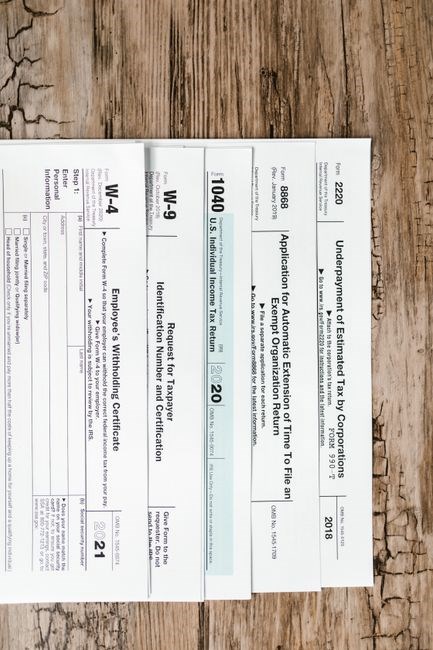
Computation of Kentucky Gross Receipts and Gross Profits
Use Schedule A for Kentucky gross receipts and Schedule B to total receipts and profits․ Follow column instructions‚ adjust for exclusions‚ and compute net profit per state law․ 2023!!!!!
Schedule A – Column A and Column B Instructions
Column A captures all Kentucky gross receipts‚ including sales‚ services‚ and other income‚ but excludes amounts already taxed elsewhere or exempt under state law․ For each line‚ enter the amount in the “Gross Receipts” box and‚ if applicable‚ the “Exclusions” box for items such as federal tax‑exempt sales․ Column B requires the calculation of Kentucky gross profit․ Begin with the gross receipts from Column A‚ subtract Kentucky‑specific deductions‚ and apply the appropriate profit‑adjustment percentages․ The instructions detail how to treat partnership distributions‚ member contributions‚ and non‑Kentucky source income․ Each line must be supported by the appropriate schedule or attachment‚ and the totals must match the figures reported on the main PTE form․ Failure to reconcile Column A and Column B totals triggers an audit trigger․ For detailed line‑by‑line guidance‚ refer to the official 2023 Kentucky Form PTE Instructions PDF‚ which includes examples and common pitfalls․ Ensure all figures are entered in U․S․ dollars and rounded to the nearest dollar․ The Kentucky Department of Revenue recommends using the eTax system for electronic filing to reduce errors and expedite processing․ Keep copies of all supporting documentation for at least five years‚ as required by Kentucky law․ This completes the Column A and Column B instructions for Kentucky PTE 2023 filing․ All figures must be accurate to avoid penalties․ Thank you
Schedule B – Total Gross Receipts and Gross Profits Calculation
Schedule B consolidates totals from Schedule A to compute Kentucky gross receipts and gross profits for the 2023 PTE return․ First‚ add the Column A amounts to obtain total gross receipts․ Then add the Column B amounts to obtain total gross profit․ The instructions require reconciling the two totals; discrepancies must be corrected by reviewing each line item and applying Kentucky‑specific deductions․ Kentucky law mandates reporting the final totals in the “Total Gross Receipts” and “Total Gross Profits” boxes on Schedule B․ The form also requests the entity’s Kentucky tax‑paying status‚ whether it is a limited liability company‚ partnership‚ or other pass‑through entity‚ and the Kentucky tax identification number․ A detailed example uses a hypothetical partnership that earned $1‚200‚000 in gross receipts and $300‚000 in gross profit after deductions․ The example walks the user through the calculation steps‚ including the 5 % Kentucky gross profit adjustment for certain service‑based entities․ The final totals are entered into the appropriate boxes‚ and the form is signed by an authorized representative․ All figures must be in U․S․ dollars and rounded to the nearest dollar․ Kentucky recommends filing electronically through the eTax system to ensure compliance and reduce processing time․ Keep a copy of the completed Schedule B for your records‚ as the Department may request supporting documentation during an audit․ This completes the Schedule B instructions for the 2023 Kentucky Form PTE filing․ Thank you for following the guidelines carefully․
Deductions‚ Adjustments‚ and Credits
Allowed deductions: Kentucky‑state expenses‚ qualified interest‚ depreciation․ Adjustments: partnership allocations‚ non‑deductible items․ Credits: Kentucky Small Business Credit‚ Low‑Income Housing Credit․ Report all amounts on Form PTE․ Kentucky tax

Allowed Deductions for Kentucky PTEs

Kentucky PTEs may deduct a range of expenses that directly relate to the generation of taxable income․ The 2023 instructions specify that ordinary and necessary business costs‚ including wages‚ salaries‚ and employee benefits‚ are fully deductible; State‑level expenses such as Kentucky franchise and excise taxes‚ real estate taxes on property used in the business‚ and local sales taxes paid on business purchases are also allowed․ Interest paid on Kentucky‑issued debt‚ as well as interest on loans used to acquire or improve business property‚ can be deducted․ Depreciation of tangible property‚ including equipment and machinery‚ follows the Kentucky straight‑line method‚ with the recovery period matching the federal schedule․ Other deductions include advertising‚ professional fees‚ insurance premiums‚ and travel expenses incurred for business purposes․ Kentucky also permits the deduction of losses from the sale or exchange of depreciable property‚ provided the loss is not a capital loss․ Certain tax‑related expenses‚ such as fees paid for Kentucky tax filings‚ are deductible․ All deductions must be supported by proper documentation and reported on the appropriate line of the PTE return․ All Kentucky PTE should review these deductions annually to ensure complianc․

Available Tax Credits and Exemptions
Kentucky PTEs may claim several credits and exemptions that reduce their tax liability․ The 2023 instructions list the Kentucky Research & Development Credit‚ which allows a credit equal to a percentage of qualified research expenses incurred within the state․ The Kentucky Energy Credit is available for investments in qualifying renewable energy equipment‚ with the credit calculated as a percentage of the cost of the equipment․ The Kentucky Small Business Credit provides a credit for new or expanding businesses‚ based on a percentage of wages paid to employees․ Additionally‚ the Kentucky Investment Credit allows a credit for investments in certain industrial facilities‚ calculated as a percentage of the investment cost․ Exemptions include the Kentucky Property Tax Exemption for certain types of property used in manufacturing‚ and the Kentucky Sales Tax Exemption for specific manufacturing equipment․ PTEs must attach the appropriate schedules and documentation to support each credit or exemption claimed․ All credits and exemptions are subject to eligibility criteria and limitations specified in the 2023 instructions‚ and must be calculated using the formulas provided in the form’s instructions․ For qualified entities
Filing Deadlines‚ Extensions‚ and Penalties
Kentucky PTEs must file by April 15‚ 2024․ Late filings incur penalties of 5% per month‚ capped at 25%․ Extensions to October 15 are available via Form 720‑EXT‚ but no penalty if filed on time․ Early filing is recommended․ Submit on time to avoid interest now!
2023 Filing Deadline and Late Filing Penalties
The Kentucky Department of Revenue requires all pass‑through entities to submit the 2023 Form PTE by the standard due date of April 15‚ 2024‚ unless the entity qualifies for an automatic extension․ Filing on or before this date ensures that the entity avoids any statutory penalties․ If a return is filed after the due date‚ the state imposes a penalty of 5 % of the tax due for each month‚ or fraction thereof‚ that the return remains outstanding․ The penalty increases incrementally each month until the return is filed‚ but it is capped at a maximum of 25 % of the tax liability․ Interest is also assessed on the unpaid tax at the statutory rate‚ which is adjusted quarterly․ Entities that file a timely extension request using Form 720‑EXT receive an automatic extension to October 15‚ 2024‚ and no penalty is assessed if the return is filed by that extended deadline․ However‚ any tax due must still be paid by the original due date to avoid interest․ The Department encourages early filing to mitigate the risk of late penalties and to allow ample time for any required corrections or additional documentation․ For detailed calculations of penalties and interest‚ refer to the Kentucky Form PTE instructions and the Department’s penalty schedule posted on the revenue off dewebsite․
Extension Procedures and Form 720-EXT
Entities that cannot file the Kentucky Pass‑Through Entity (PTE) return by the April 15‚ 2024 deadline may request an automatic six‑month extension by submitting Form 720‑EXT no later than the original due date․ The form requires the entity’s name‚ EIN‚ and a brief statement of the reason for the extension․ Upon receipt‚ the Department issues a confirmation and extends the filing deadline to October 15‚ 2024․ No penalty is assessed if the return is filed within the extended period․ The extension is not granted retroactively; it applies only to the current also in tax year․ If the entity files the return after October 15‚ a penalty of 5 % per month‚ capped at 25 %‚ will be imposed․ The Department recommends that entities estimate their tax liability and remit payment with the extension request to prevent interest accrual․ Form 720‑EXT can be completed electronically via the Kentucky eTax system or mailed to the Department’s address listed in the 2023 instruction booklet․ The Department processes extensions within 5 business days‚ and the confirmation is emailed to the entity’s registered contact․ Entities should keep a copy of the confirmation for audit purposes․ Failure to file an extension request before the original deadline results in the loss of the automatic extension‚ and the entity must then file the return by the original date to avoid penalties․ For additional guidance‚ consult the Kentucky Form PTE instructions or contact the Department’s PTE assistance line․

Electronic Filing and Resources
Use Kentucky eTax to file Form PTE electronically․ Log in‚ upload completed schedules‚ and submit․ The system validates entries‚ provides error alerts‚ and issues a confirmation receipt․ Resources include PDF instructions‚ FAQs‚ and a phone lines!
Kentucky eTax System for PTE Returns
The Kentucky eTax system is the state’s online portal for filing Pass‑Through Entity (PTE) returns‚ including Forms 720‚ 720U‚ PTE‚ and 725․ To start‚ create or log into your Kentucky eTax account at https://www․revenue․ky․gov/etax․ Once authenticated‚ choose “PTE” from the list of available forms․ The interface walks you through each required schedule‚ prompting for gross receipts‚ profits‚ and deductions․ Validation rules run in real time‚ flagging missing or inconsistent data before submission․ After entry‚ you can preview a PDF of the completed return‚ review computed totals‚ and print a confirmation receipt for your records․ The portal also lets you file amendments‚ recalculate tax balances‚ and export returns to PDF or CSV for archival purposes․ For assistance‚ Kentucky’s eTax help desk is reachable by phone at 1‑800‑KY‑REVENUE or via live chat․ All data transmitted is encrypted and stored per state privacy regulations․ Electronic payment options—including credit card‚ ACH‚ and electronic check—simplify paying any tax due․ The portal’s “Return History” section allows you to view‚ download‚ or print past filings‚ making compliance tracking easy․ The system is designed to streamline filing‚ reduce paper usage‚ and improve accuracy for Kentucky PTEs․ Users can also export their completed returns to PDF or CSV for archival purposes‚ and the system logs all changes for audit trails․ The portal also supports multi‑user access with role‑based permissions‚ allowing partners to collaborate securely․ Additionally‚ the eTax system offers a real‑time dashboard that displays current filing status‚ pending payments‚ and upcoming deadlines‚ helping users stay compliant for allusers․ and for all users
Available Forms‚ Instructions‚ and Guidance Documents
The Kentucky Department of Revenue provides a suite of downloadable resources for Pass‑Through Entity (PTE) filers․ The primary form‚ Kentucky Form PTE‚ is available in PDF format and must be filed annually by entities that qualify under Kentucky law․ Attached to the main form are the Schedule (Column A and Column B) instructions‚ which detail how to compute gross receipts and gross profits․ These schedules are required to be appended to Forms 720‚ 720U‚ PTE‚ or 725‚ depending on the entity’s classification․ For 2023‚ the Department released a Continuation Sheet (230280 41A720L‑C‚ dated 10‑23) that provides additional space for detailed reporting when the standard form is insufficient․ Users can also download the 2025 Kentucky Form PTE Instructions PDF‚ which offers updated guidance for the upcoming tax year; the PDF is printable and includes examples for common scenarios․ If a browser lacks a PDF plugin‚ the Department recommends downloading the file directly to a local machine for viewing or printing․ In addition to the core form and schedules‚ the Revenue website hosts a series of guidance documents: “Kentucky PTE Filing Checklist‚” “Schedule A – Column A and Column B Instructions‚” and “Schedule B – Total Gross Receipts and Gross Profits Calculation․” These documents are designed to clarify complex reporting requirements and provide step‑by‑step instructions for completing each section of the return․ All resources are accessible from the Kentucky eTax portal or the main Revenue website under the “Forms & Publications” section․ Filers should review the most recent instructions before preparing their return to ensure compliance with the latest statutory changes and to avoid penalties․ Taxpayers should also consult the Kentucky eTax help center for real‑time assistance․

Leave a Reply