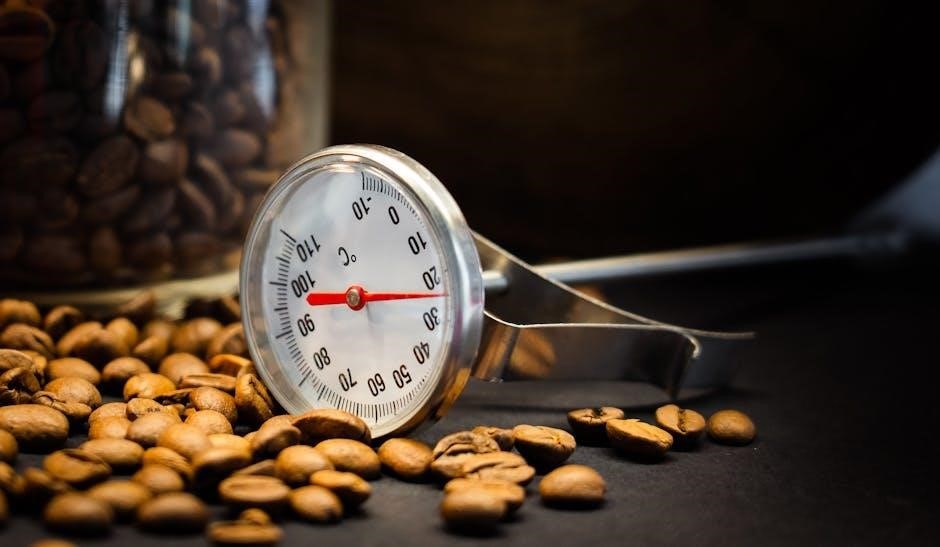
What is a Food Temperature Record Sheet?
Food temperature record sheets, often in PDF format, meticulously document temperature readings. They ensure perishable items are safely stored and appliances function correctly.
Definition and Purpose
A food temperature record sheet, frequently available as a PDF document, serves as a systematic record of temperature measurements taken for food safety management. Its primary purpose is to verify that food is stored, cooked, reheated, and cooled within safe temperature ranges, preventing bacterial growth and reducing the risk of foodborne illnesses;
These sheets aren’t merely documentation; they are a crucial component of a food safety program. They provide evidence of due diligence, demonstrating a commitment to maintaining food quality and protecting consumer health. Utilizing a PDF format allows for easy distribution, standardized recording, and efficient archiving of vital temperature data.
Importance in Food Safety
Employing a food temperature record sheet, often in PDF format, is paramount for robust food safety. Accurate temperature monitoring prevents the proliferation of harmful bacteria, safeguarding against foodborne illnesses. Consistent record-keeping demonstrates compliance with health regulations and food safety standards like HACCP.
A well-maintained PDF log provides a verifiable audit trail, crucial during inspections or in the event of an outbreak. It allows for swift identification of temperature deviations and prompt corrective actions. Utilizing standardized PDF templates ensures consistency and clarity, minimizing errors and maximizing the effectiveness of food safety protocols.

Types of Food Temperature Logs
Food temperature logs, frequently as PDF documents, include cooking, reheating, cooling, refrigeration, and receiving logs—each tracking temperature at critical control points.
Cooking Temperature Log
A Cooking Temperature Log, often maintained as a PDF, is crucial for verifying that food reaches safe internal temperatures, eliminating harmful bacteria. This log typically records the food item, date, time, target temperature, actual temperature achieved, and staff initials.
Consistent use of this log ensures compliance with food safety standards like HACCP. Accurate documentation demonstrates due diligence in preventing foodborne illnesses. The PDF format allows for easy storage, retrieval, and audit trails. Proper probe placement is vital for accurate readings, and any corrective actions taken—like extended cooking time—must be clearly noted on the log. Utilizing pre-made PDF templates from resources like the Institute of Child Nutrition streamlines this process.
Reheating Temperature Log
The Reheating Temperature Log, frequently a PDF document, is essential for ensuring food is heated to a safe internal temperature to destroy potential pathogens. This log details the food item, initial temperature, target temperature, actual temperature reached, reheating method, and staff identification.
Maintaining this log, often using a downloadable PDF template, demonstrates adherence to food safety regulations and HACCP principles. Accurate records provide evidence of safe reheating practices. Proper probe placement is critical, and any deviations from the required temperature, along with corrective actions, should be documented. Utilizing a fillable PDF simplifies record-keeping and facilitates easy audits.
Cooling Temperature Log
A Cooling Temperature Log, commonly found as a downloadable PDF, is vital for tracking food’s cooling process to prevent bacterial growth. This PDF record should include the food item, initial temperature, target temperature (typically below 41°F or 5°C), and temperature readings taken at specified intervals – often every two hours.
Using a standardized PDF template ensures consistent data collection. Staff initials and the cooling method employed must also be recorded. Accurate documentation, facilitated by fillable PDF forms, demonstrates compliance with food safety standards and HACCP guidelines. Any cooling failures require immediate corrective action and detailed notation within the log.
Refrigeration Temperature Log
The Refrigeration Temperature Log, frequently available as a PDF template, is crucial for maintaining safe food storage. This PDF document records temperatures of refrigerators and freezers at regular intervals – typically every four hours – to ensure they remain within safe zones (below 41°F/5°C for refrigeration, 0°F/-18°C for freezing).
A well-designed PDF log includes date, time, temperature readings, and staff initials. Consistent monitoring, using a fillable PDF, demonstrates adherence to food safety regulations and HACCP principles. Any temperature deviations must be immediately addressed and documented with corrective actions taken within the log itself.
Receiving Temperature Log
A Receiving Temperature Log, often utilized as a downloadable PDF, is a vital food safety tool. It meticulously records the temperature of food deliveries upon arrival. This PDF template helps verify that suppliers have maintained proper temperature control during transport, preventing spoilage and bacterial growth;
The log typically includes fields for date, time, supplier name, food item description, and temperature readings. Staff initials confirm accountability. A fillable PDF format streamlines documentation. Rejecting deliveries outside safe temperature ranges and documenting the rejection is critical for compliance and food safety.

Key Elements of a Food Temperature Record Sheet (PDF)
Essential PDF elements include date/time, food descriptions, precise temperature readings, units (Celsius/Fahrenheit), and staff identification—ensuring accurate and traceable food safety data.
Date and Time Recording
Accurate date and time recording is paramount on any food temperature record sheet (PDF). This meticulous detail establishes a clear chronological sequence of temperature checks, vital for traceability and investigation should any food safety concerns arise. Each entry must reflect the precise moment the temperature was measured, down to the minute.
Consistent formatting – utilizing a standardized date (MM/DD/YYYY) and time (HH:MM:SS) notation – minimizes ambiguity. This practice is crucial for regulatory compliance, particularly within HACCP systems. Detailed records allow for effective monitoring of temperature trends, identifying potential deviations from safe holding parameters. Without precise timestamps, it becomes challenging to determine if a temperature breach occurred and for how long, hindering corrective action and risk assessment.
Food Item Description
A comprehensive food item description is a critical component of any effective food temperature record sheet (PDF). Vague entries like “chicken” are insufficient; specificity is key. The description should detail the exact food product – for example, “roasted chicken breast,” “beef stew,” or “pre-cut melon.”
This level of detail facilitates accurate tracking and identification during potential food safety investigations. Including preparation methods or ingredients can be beneficial. Clear descriptions ensure anyone reviewing the log can readily understand what food was being monitored. This practice is essential for maintaining food safety standards and complying with HACCP principles, allowing for targeted corrective actions if needed.
Temperature Readings (Specific Values)
Accurate temperature readings, recorded as specific values on a food temperature record sheet (PDF), are paramount for food safety. Avoid estimations or ranges; precise measurements are crucial. For instance, instead of “around 160°F,” record “165°F.” These values demonstrate adherence to safe internal temperature guidelines.
Consistent recording practices, utilizing calibrated thermometers, are essential. The PDF log should have dedicated columns for each reading, clearly indicating the temperature at the time of measurement. Detailed records support traceability and are vital during food safety audits or investigations, proving due diligence in maintaining safe food handling practices.
Temperature Unit (Celsius or Fahrenheit)
A food temperature record sheet (PDF) must clearly specify the temperature unit used – either Celsius (°C) or Fahrenheit (°F). Consistency is key; mixing units can lead to dangerous misinterpretations and compromise food safety. The chosen unit should be prominently displayed on the PDF form, ideally in the header or alongside the temperature recording fields.
Organizations should standardize on one unit to avoid confusion. Training staff on the correct unit and ensuring all thermometers display the same scale are vital. Accurate conversion charts should be readily available if occasional conversions are necessary. Maintaining a uniform temperature unit ensures reliable data and effective food safety management.
Staff Initials/Name
A comprehensive food temperature record sheet (PDF) necessitates a dedicated field for staff identification – either initials or a full name. This accountability measure is crucial for tracing temperature readings back to the responsible individual. Knowing who recorded the data allows for follow-up questions or clarification if discrepancies arise.
Clear policies should dictate whether initials or full names are preferred. Legible handwriting or a digital signature field within the PDF is essential. This practice promotes responsibility and encourages accurate record-keeping. Proper identification ensures transparency and supports effective food safety protocols within the organization.

Using a Food Temperature Record Sheet
Regular temperature checks, documented on a food temperature record sheet (PDF), are vital. Accurate probe placement and prompt corrective action documentation are key.
Frequency of Temperature Checks
Determining the frequency of temperature checks is crucial for maintaining food safety, and should be clearly outlined in your food safety plan. Utilizing a food temperature record sheet (PDF) aids in consistent monitoring. Generally, refrigeration temperatures should be checked at least twice daily – once in the morning and again before closing.
Cooking temperatures must be verified before and during the cooking process to ensure food reaches safe internal temperatures. Reheating requires similar diligence. Receiving temperatures should be recorded immediately upon delivery. More frequent checks may be necessary for high-risk foods or during peak service hours. Consistent, documented checks, using a standardized PDF log, are essential for compliance and preventing foodborne illness.
Proper Probe Placement
Accurate temperature readings hinge on correct probe placement when using a food temperature record sheet (PDF). Insert the probe into the thickest part of the food, avoiding bone, fat, or pockets of air. For solid foods, probe at least 2 inches deep.
When checking thin foods, insert the probe sideways. For poultry, check the thickest part of the thigh, ensuring it doesn’t touch bone. Regularly sanitize the probe between readings to prevent cross-contamination. Proper technique, diligently recorded on your PDF log, guarantees reliable data and supports food safety standards. Incorrect placement yields inaccurate results, compromising safety.
Documenting Corrective Actions
A crucial aspect of utilizing a food temperature record sheet (PDF) is meticulously documenting any corrective actions taken when temperatures fall outside safe limits. Clearly record what steps were implemented to rectify the issue – for example, further cooking, reheating, or discarding the food.
Include the time the action was taken and the staff member responsible. This detailed record demonstrates due diligence and is vital during food safety inspections. A completed PDF log with documented corrections proves a commitment to maintaining food safety standards and preventing foodborne illnesses.

PDF Format and Accessibility
Food temperature record sheets in PDF offer benefits like easy sharing and archiving. Fillable PDF versions streamline data entry and improve accessibility.
Benefits of Using PDF
Employing PDF format for food temperature record sheets provides several distinct advantages. PDFs ensure consistent formatting across different devices and operating systems, preventing unwanted alterations to the log’s layout. This consistency is crucial for audit trails and regulatory compliance. Furthermore, PDFs are widely compatible, making them easily shareable with inspectors, staff, and management.
PDFs also offer enhanced security features, allowing for password protection and restricted editing, safeguarding sensitive temperature data. The format’s portability ensures easy access both digitally and through printed copies. Utilizing fillable PDF forms streamlines the recording process, reducing errors and improving efficiency. Ultimately, PDFs contribute to a more organized and reliable food safety documentation system.
Ensuring PDF is Fillable
To maximize efficiency, a food temperature record sheet PDF should be fillable. This means incorporating interactive fields for data entry – date, time, food item, temperature, and staff initials. Utilizing PDF editing software allows creation of these fields, ensuring direct input without printing or manual writing.
Fillable forms reduce errors associated with illegible handwriting and simplify data collection. They also facilitate easier digital storage and analysis of temperature logs. When designing the PDF, clearly label each field and consider validation rules to ensure accurate data input. A well-designed fillable PDF streamlines the food safety process and improves record-keeping accuracy.
Digital vs. Paper-Based Logs
While traditional paper-based food temperature record sheets have long been used, PDF-based digital logs offer significant advantages. Digital logs enhance data accessibility, allowing for easy storage, searching, and analysis. They minimize the risk of lost or damaged records, a common issue with paper copies.
PDF formats facilitate quick identification of temperature deviations and streamline reporting. However, paper logs can be useful in situations with limited technology access. Ultimately, the choice depends on facility needs and resources. A hybrid approach – utilizing PDFs where possible and retaining paper backups – can provide a robust and reliable system.

Industries Utilizing Food Temperature Logs
Food temperature logs, often as PDF documents, are crucial in food service, grocery stores, healthcare, and aged care facilities for safety compliance.
Food Service Industry (Restaurants, Cafeterias)
Food service establishments, including restaurants and cafeterias, heavily rely on food temperature record sheets, frequently utilizing PDF formats for streamlined documentation. These logs are vital for maintaining food safety standards and adhering to health regulations. Consistent temperature monitoring—during cooking, holding, cooling, and reheating—is meticulously recorded.
PDF logs facilitate easy record-keeping, audit trails, and demonstrate due diligence during inspections. Staff utilize these sheets to track internal temperatures of meats, poultry, and other potentially hazardous foods. Accurate records help prevent foodborne illnesses and ensure customer safety. Proper documentation, often through fillable PDF forms, is a cornerstone of responsible food handling practices.
Grocery Stores and Retail
Grocery stores and retail outlets selling perishable food items depend on diligent temperature monitoring, documented via food temperature record sheets, often in PDF format. These logs are crucial for maintaining the cold chain—ensuring foods remain at safe temperatures from delivery to display. Receiving logs, utilizing PDF templates, record temperatures upon delivery, verifying supplier compliance.
Regular checks of refrigerated and frozen display cases are recorded, demonstrating adherence to safety standards. PDF logs provide a clear audit trail for health inspections. Staff use these sheets to track temperatures of meat, dairy, and produce. Accurate records minimize spoilage, reduce waste, and protect consumer health, making PDF-based logging essential.
Healthcare and Aged Care Facilities
Healthcare and aged care facilities prioritize patient safety, making food temperature record sheets, frequently in PDF format, absolutely vital. These logs meticulously track temperatures throughout food preparation, storage, and service. Accurate records are essential for vulnerable populations with compromised immune systems. Receiving logs, often PDF templates, verify supplier adherence to safe temperature controls.
PDF-based logs document cooking, cooling, and reheating temperatures, ensuring food safety standards are met. Regular refrigeration temperature checks are also recorded. Detailed documentation supports compliance with strict regulations and provides a clear audit trail during inspections. Proper food handling, tracked via these sheets, minimizes the risk of foodborne illness.

Regulations and Compliance
Food temperature record sheets, often PDF-based, are crucial for HACCP compliance and adhering to food safety standards. Detailed logs demonstrate due diligence.
HACCP (Hazard Analysis and Critical Control Points)
HACCP systems rely heavily on verifiable records, and a food temperature record sheet, frequently utilized in PDF format, serves as a cornerstone of this documentation. These logs demonstrate critical control point monitoring, specifically ensuring temperatures remain within safe limits to prevent microbial growth.
Maintaining accurate temperature logs is essential for identifying potential hazards and implementing corrective actions. PDF logs offer a standardized, easily auditable format. They provide evidence of consistent monitoring during cooking, cooling, refrigeration, and reheating processes. Proper documentation supports compliance during food safety inspections and demonstrates a commitment to public health. A well-maintained temperature log is a vital component of a robust HACCP plan.
Food Safety Standards and Guidelines
Food safety standards and guidelines universally emphasize meticulous temperature control, making a food temperature record sheet – often in PDF format – indispensable. These logs demonstrate adherence to regulations concerning safe food handling practices. Maintaining accurate records proves due diligence during inspections by food safety authorities.
PDF logs provide a clear, organized method for documenting temperature readings throughout the foodservice process. They support compliance with guidelines regarding proper cooking, cooling, holding, and reheating temperatures. Consistent record-keeping, facilitated by standardized PDF templates, is crucial for preventing foodborne illnesses and ensuring consumer protection.
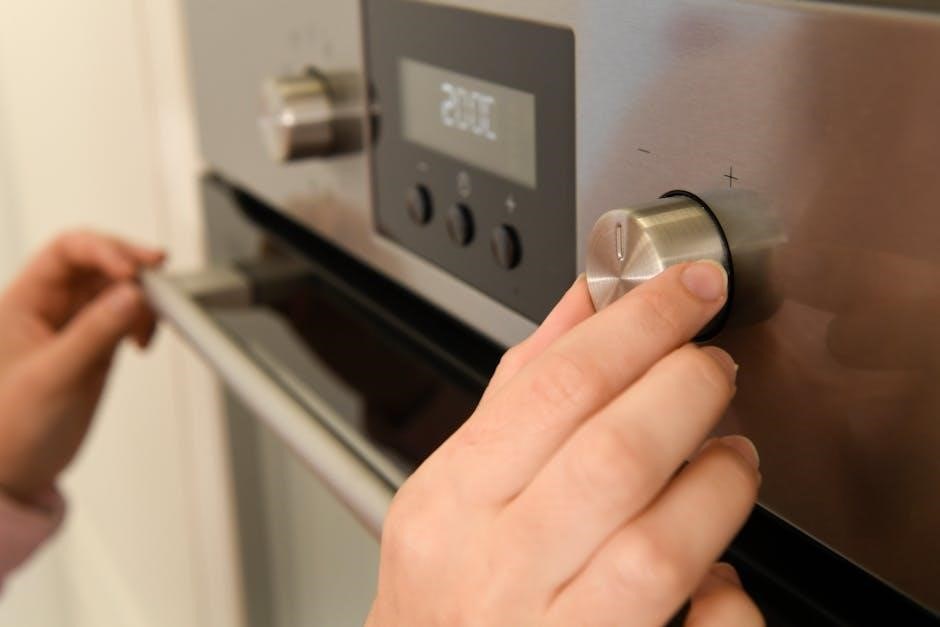
Resources for Food Temperature Log Templates
The Institute of Child Nutrition offers comprehensive food safety logs, including temperature logs in PDF format. Numerous online providers also supply customizable PDF templates.
Institute of Child Nutrition Templates
The Institute of Child Nutrition (ICN) stands as a premier resource for readily available, comprehensive food safety logs, frequently offered in convenient PDF format. Their extensive library caters to diverse needs within food service operations. You’ll discover specialized logs designed for critical control points, including detailed cooking and reheating temperature logs, ensuring food reaches safe internal temperatures.
Furthermore, ICN provides cooling temperature logs to monitor proper cooling rates, refrigeration logs for consistent cold holding, and receiving logs to verify supplier adherence to safety standards. These PDF templates are designed for ease of use and documentation, supporting compliance with food safety regulations. Accessing these resources is straightforward, offering a valuable starting point for establishing robust temperature monitoring procedures.
Online Template Providers
Numerous online platforms offer downloadable food temperature log sheets in PDF format, providing convenient alternatives to the Institute of Child Nutrition’s resources. These providers often feature a variety of designs and formats, catering to specific operational needs and preferences. Many offer both free and premium templates, with premium options potentially including advanced features like automated calculations or data tracking.
When selecting a template, prioritize clarity, ease of use, and adherence to food safety standards. Ensure the PDF is easily fillable and printable. Popular search terms include “food temperature log PDF” and “temperature monitoring sheet.” Always verify the template includes essential fields like date, time, food item, temperature, and staff initials.

Troubleshooting Common Issues
PDF food temperature logs can face issues like inaccurate readings or lost data. Staff training and consistent log maintenance are crucial for compliance.
Inaccurate Temperature Readings
Inaccurate temperature readings on a food temperature record sheet (PDF or otherwise) pose a significant food safety risk. Several factors can contribute to this issue. Calibration of the temperature probe is paramount; a probe that isn’t regularly calibrated will provide unreliable data.
Incorrect probe placement is another common culprit. The probe must be inserted into the thickest part of the food, avoiding bone, fat, or containers. Ensure the sensor is fully immersed for an accurate reading. Furthermore, user error, such as misreading the display or incorrectly recording the value on the PDF log, can occur.
Regular staff training on proper temperature taking techniques and diligent review of completed logs can help identify and rectify these inaccuracies promptly, safeguarding food safety.
Lost or Damaged Logs
Lost or damaged food temperature record sheets, whether in PDF or paper format, compromise the integrity of food safety documentation. Losing a log creates a gap in the temperature monitoring history, hindering traceability and potentially violating regulatory requirements.
Damage, such as water damage or illegible handwriting on paper logs, renders the information unusable. Utilizing digital PDF logs with cloud storage mitigates loss risks. Regular backups of digital files are crucial;
Implementing a clear policy for log storage and handling, alongside staff training on proper documentation procedures, minimizes these issues. Duplicate copies or digital scans can serve as backups.
Staff Training and Compliance
Comprehensive staff training is paramount for effective use of food temperature record sheets, especially PDF versions. Employees must understand why accurate temperature monitoring is critical for food safety and regulatory compliance. Training should cover proper probe placement, recording procedures, and corrective action documentation.
Demonstrating how to correctly fill out a PDF log, including digital signature protocols if applicable, is essential. Regular refresher courses reinforce best practices.
Management must foster a culture of compliance, emphasizing the importance of consistent and accurate record-keeping. Audits and spot-checks can verify adherence to procedures.
Leave a Reply