
The Open Window by Saki: A Comprehensive Overview
A readily accessible PDF version of Saki’s “The Open Window” is available online, published August 27, 2015, offering convenient access to this classic tale;
H.H. Munro, famously known as Saki, was a British writer celebrated for his witty and often macabre short stories. “The Open Window,” a prime example of his work, showcases his talent for concise narratives and unexpected twists. Conveniently, a digital copy, a PDF, of this story is readily available online—specifically, a version published on August 27, 2015.
This accessibility allows readers to easily delve into Saki’s world and experience the story’s charm. The PDF format ensures preservation and widespread distribution of this literary gem.

Plot Summary of “The Open Window”
Framton Nuttel seeks a nerve cure in the countryside, encountering the imaginative Vera, whose tale about Mrs. Sappleton’s tragedy unfolds—accessible via PDF.
Initial Encounter: Framton Nuttel’s Arrival
Framton Nuttel arrives at the rural retreat seeking respite for his nerves, armed with letters of introduction. He’s greeted by Vera, a remarkably self-possessed fifteen-year-old.
The story, easily found in PDF format, immediately establishes Nuttel’s social awkwardness as he attempts polite conversation. He anticipates meeting Mrs. Sappleton, hoping for a pleasant, curative visit, yet privately doubts the efficacy of such formal calls.
The initial exchange, detailed within the readily available PDF, highlights Nuttel’s anxiety and Vera’s observant nature, setting the stage for the unfolding narrative.
Vera’s Storytelling and the Developing Narrative
Vera, possessing a striking self-assurance, begins to weave a tale to Framton Nuttel, readily accessible within the “Open Window” PDF. She recounts the tragic story of Mrs. Sappleton’s loss – her husband and brother-in-law tragically lost in a bog.
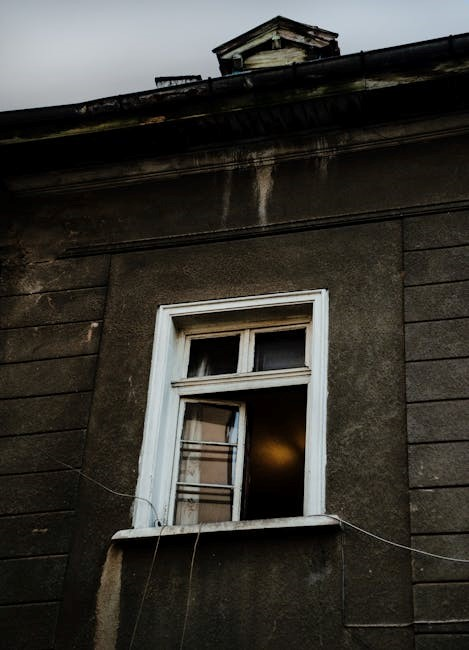
This narrative, detailed in the PDF, centers around the perpetually open window, through which the grieving Mrs. Sappleton expects their return. Vera’s storytelling skillfully builds suspense and foreshadows the story’s ironic climax.
Her fabricated account expertly preys upon Nuttel’s nervous disposition, setting the stage for a dramatic misunderstanding.
The Anticipated Arrival of Mrs. Sappleton
As detailed in the readily available “Open Window” PDF, the narrative builds tension with the impending arrival of Mrs. Sappleton. Vera confidently announces her aunt’s imminent return, leaving Framton to await her presence and attempt polite conversation.
The anticipation, heightened by Vera’s preceding tale, creates a palpable sense of unease for the already nervous Nuttel.
The PDF reveals this moment as crucial, setting the stage for the story’s ironic and startling conclusion.

Character Analysis
The “Open Window” PDF showcases distinct characters: the anxious Framton Nuttel, the mischievous Vera, and the grieving Mrs. Sappleton, driving the narrative forward.
Framton Nuttel: The Nervous Visitor
The PDF reveals Framton Nuttel as a man afflicted with nerves, seeking a rural retreat on a doctor’s advice. He undertakes visits to acquaintances based on his sister’s letters, hoping for a cure.
However, he privately doubts the efficacy of these social calls, fearing isolation will worsen his condition. He’s polite but reserved, cautiously attempting to make conversation while subtly assessing his host’s situation, particularly Mrs. Sappleton’s marital status, demonstrating his underlying anxiety and social awkwardness.
Vera: The Deceptive Niece
The PDF portrays Vera as a remarkably self-possessed fifteen-year-old, immediately taking charge upon Framton Nuttel’s arrival. She skillfully steers the conversation, offering a fabricated story about her aunt and her tragically lost hunting companions.
Vera’s narrative is delivered with convincing detail, revealing a penchant for imaginative storytelling and a subtle enjoyment in manipulating the nervous visitor. Her calm demeanor sharply contrasts with the tale she spins, highlighting her deceptive nature and playful mischievousness.
Mrs. Sappleton: The Grieving Aunt
The PDF reveals Mrs. Sappleton as a woman deeply affected by a past tragedy – the loss of her husband and brother-in-law in a hunting accident three years prior. Vera’s story centers around this event, presenting a poignant, albeit fabricated, depiction of her aunt’s enduring grief.
Mrs. Sappleton’s character is portrayed as somewhat oblivious, readily accepting the fantastical explanation for the returning figures, unaware of the deception unfolding before her.

Themes Explored in “The Open Window”
The PDF highlights themes of deception, imagination, and nervousness, skillfully woven through Vera’s fabricated tale and Framton Nuttel’s anxious state.
Deception and Storytelling
The readily available PDF of “The Open Window” vividly demonstrates Saki’s masterful use of deception, primarily through the character of Vera. Her elaborate and quickly constructed story about the open window and the tragic hunting accident is a central element. This fabrication preys upon Framton Nuttel’s already fragile nerves, showcasing the power of storytelling to manipulate perception. The text reveals how easily narratives can be crafted and believed, even without factual basis, highlighting the theme of unreliable narration and the consequences of unchecked imagination.
The Power of Imagination
Accessing the “Open Window” PDF reveals how Saki explores imagination’s potent influence on reality and perception. Framton Nuttel’s anxieties, combined with Vera’s tale, demonstrate how easily the mind can conjure frightening scenarios. The story isn’t about ghosts, but about the power of suggestion and the vulnerability of a nervous disposition. Saki illustrates how imagination, when unchecked, can distort reality, leading to misinterpretations and heightened emotional responses, ultimately shaping one’s experience.
Nervousness and Psychological State
The “Open Window” PDF highlights Framton Nuttel’s fragile psychological state and debilitating nervousness. He seeks a rural retreat for a “nerve cure,” yet actively fuels his anxieties through imagined horrors. Saki masterfully portrays how pre-existing conditions and susceptibility to suggestion can amplify fear. Vera exploits this vulnerability, demonstrating the ease with which a troubled mind can be manipulated, leading to a comical, yet poignant, exploration of psychological fragility.

Literary Devices Used by Saki
The “Open Window” PDF showcases Saki’s skillful use of irony, foreshadowing, and dialogue to build suspense and reveal character traits effectively.
Irony and Dramatic Irony
Saki masterfully employs both irony and dramatic irony throughout “The Open Window,” readily apparent within the accessible PDF version of the story. The core of the narrative hinges on Vera’s fabricated tale, creating a stark contrast between her invented reality and Framton Nuttel’s perception.
This discrepancy forms the dramatic irony, as the reader is privy to Vera’s deception while Nuttel remains blissfully unaware. The story’s climax, fueled by this irony, delivers a humorous twist, highlighting Saki’s satirical wit and clever storytelling techniques, all easily observed within the text.
Foreshadowing and Suspense
Saki skillfully builds suspense and utilizes foreshadowing within “The Open Window,” elements readily discernible when reading the PDF version of the story. Early descriptions of the open window and Vera’s unsettling narrative subtly hint at the impending shock.
The repeated mentions of the tragic hunting accident, coupled with Vera’s ambiguous storytelling, create a sense of unease and anticipation. This carefully crafted atmosphere keeps the reader engaged, eagerly awaiting the revelation of the truth and the story’s surprising conclusion.
Use of Dialogue to Reveal Character
Saki masterfully employs dialogue, easily observed within the accessible PDF of “The Open Window,” to unveil the personalities of Framton, Vera, and Mrs. Sappleton. Framton’s hesitant speech exposes his nervousness, while Vera’s self-assured tone highlights her manipulative nature.
Mrs. Sappleton’s remarks, though seemingly innocent, reveal her enduring grief. The contrasting conversational styles effectively portray each character’s disposition and contribute to the story’s ironic and humorous effect.

Context of the Story’s Publication
The PDF showcases Saki’s work, published during the Edwardian era, reflecting societal norms and a penchant for witty, ironic short stories.
Saki’s Writing Style and Influences
Saki, known for his sharp wit and concise prose, masterfully employs irony and surprise endings, exemplified within the readily available “Open Window” PDF. His style, influenced by authors like Kipling and Wilde, features a detached narrative voice and often subverts expectations. The story’s brevity and clever dialogue are hallmarks of his technique. The PDF allows readers to dissect his unique approach to storytelling, revealing a cynical yet humorous perspective on Edwardian society and human nature, solidifying his place as a celebrated short story writer.
The Edwardian Era and Social Norms
“The Open Window,” easily found in its PDF format, subtly critiques Edwardian social conventions regarding nervous disorders and the prescribed “rest cures” of the time. The story reflects a society valuing appearances and polite conversation, masking underlying anxieties. Framton Nuttel’s visit highlights the awkwardness of formal introductions and the pressure to conform. Saki’s narrative, accessible through the PDF, exposes the superficiality of these social rituals and the constraints placed upon individuals within this era’s rigid structure.
“The Open Window” PDF Availability and Online Resources
The PDF of “The Open Window” is readily available via WordPress, published on August 27, 2015, providing easy access to Saki’s short story.
Locating the PDF Version of the Story
Finding a digital copy of Saki’s “The Open Window” is remarkably straightforward. A PDF version, titled “open-window-the-saki.pdf,” was published on August 27, 2015, and is hosted on the Tiger English WordPress site.
This resource provides immediate access to the complete text, allowing readers to easily download and study the story. The URL source is https://tigerenglish.files.wordpress.com/2015/08/open-window-the-saki.pdf, ensuring a direct link to the document.
Online Text and Analysis Websites
While the PDF provides direct access, numerous websites offer the text of “The Open Window” alongside critical analysis. These platforms often feature interpretations of Saki’s masterful storytelling and exploration of themes like deception and imagination.
Though the provided source focuses on the PDF itself, a broader search will reveal sites dedicated to literary analysis, offering valuable insights into the story’s nuances and Saki’s unique writing style.

Critical Reception and Interpretations
The story’s ending consistently sparks debate, with analyses focusing on Vera’s mischievousness and Framton’s susceptibility to imaginative storytelling, readily available online.
Common Interpretations of the Story’s Ending
The abrupt ending, where Framton flees believing Mrs. Sappleton’s nephews have returned from the grave, is widely interpreted as a testament to Vera’s masterful deception.
Readers often analyze how Saki utilizes dramatic irony, as the audience knows the truth while Framton remains blissfully unaware, enhancing the comedic effect.
The readily available PDF allows for close textual analysis, revealing Vera’s calculated storytelling and Framton’s pre-existing nervous condition as key factors in the story’s outcome.
Academic Analyses of Saki’s Work
Scholarly interpretations of “The Open Window,” easily accessible through its PDF format, frequently explore Saki’s subversion of Edwardian social conventions and narrative expectations.
Critics often highlight Saki’s concise prose and skillful use of irony, demonstrating a sophisticated understanding of human psychology and societal facades.
The story’s enduring appeal is often linked to its exploration of themes like deception, imagination, and the fragility of the human psyche, readily examined via the PDF text.

Adaptations of “The Open Window”
While the PDF provides the original story, adaptations for radio, stage, film, and television have brought Saki’s tale to diverse audiences over time.
Dramatic Adaptations (Radio, Stage)
Though specific details regarding dramatic adaptations aren’t directly linked to the PDF source, “The Open Window’s” concise narrative and compelling characters lend themselves well to stage and radio interpretations. The story’s inherent suspense and quick wit translate effectively into audio dramas, allowing for evocative sound design to enhance the unsettling atmosphere. Stage productions benefit from the intimate setting and focused dialogue, amplifying the comedic and ironic elements. Further research would be needed to pinpoint specific productions, but the story’s structure suggests a rich history of dramatic adaptations beyond its original written form.
Film and Television Adaptations
The provided PDF source doesn’t detail film or television adaptations of “The Open Window.” However, Saki’s short story’s compact plot and surprising twist make it an ideal candidate for short film or anthology series treatment. A visual medium could effectively portray the unsettling atmosphere and Vera’s deceptive nature. Exploring adaptations requires separate research, as the PDF focuses solely on the text itself, not its subsequent interpretations in other media formats. The story’s enduring appeal suggests potential for modern reimaginings.

The Story’s Enduring Appeal
The easily found PDF ensures continued accessibility, contributing to the story’s lasting popularity and allowing new readers to discover Saki’s masterful storytelling.
Why “The Open Window” Remains Popular
The story’s enduring appeal is significantly bolstered by the convenient availability of a PDF version online, ensuring its accessibility to a broad audience. This digital format allows readers to easily engage with Saki’s witty prose and cleverly constructed plot. The PDF’s existence facilitates academic study, classroom discussions, and simply enjoying a classic tale at one’s leisure. Its readily shareable nature contributes to the story’s continued circulation and discovery by new generations of readers, cementing its place in literary history.
Its Relevance to Modern Readers
Despite being written in 1914, “The Open Window” resonates with contemporary audiences, partly due to the ease of access provided by its PDF availability. The themes of social anxiety, deception, and the power of storytelling remain universally relatable. The story’s concise format, easily enjoyed through the PDF, suits modern reading habits. It prompts reflection on the narratives we construct and consume, and the impact of first impressions in a world saturated with information – and potential misinformation.
Teaching “The Open Window” in the Classroom
Utilizing the readily available PDF facilitates easy distribution and in-class analysis of Saki’s masterful short story, enhancing student engagement.
Discussion Points and Activities
Leveraging the accessible PDF of “The Open Window” allows for focused textual analysis. Students can annotate directly on the document, identifying instances of irony and foreshadowing.
Class discussions should center on Vera’s motivations and the impact of her storytelling on Framton Nuttel’s fragile state. Explore the story’s themes of deception, imagination, and the societal pressures of the Edwardian era.
Consider a creative writing assignment where students craft their own deceptive narratives, mirroring Saki’s style.
Analyzing the Story’s Structure and Themes
Utilizing the PDF format of “The Open Window” facilitates close reading of Saki’s concise narrative structure. The story’s effectiveness lies in its rapid exposition and reliance on dialogue to reveal character and advance the plot.
Key themes – deception, the power of imagination, and psychological vulnerability – are interwoven through Vera’s fabricated tale.
Analyze how Saki employs dramatic irony, creating a humorous yet unsettling effect for the reader.
Further Reading: Exploring Saki’s Other Works
After enjoying “The Open Window” in PDF form, delve into Saki’s diverse short story collections for more witty and surprising tales of Edwardian society.
Recommended Short Story Collections
Having discovered Saki’s brilliance through “The Open Window,” readily available as a PDF, explore his complete short stories for a truly immersive experience. The Complete Stories of Saki gathers all his published works, showcasing his signature wit and unexpected twists.
Alternatively, Saki: Selected Stories provides a curated collection of his most celebrated tales. These collections reveal Saki’s mastery of concise narratives and delightfully cynical observations of Edwardian life, expanding upon the charm found within the easily accessible PDF version of “The Open Window.”
Biographies and Critical Studies of Saki
After enjoying “The Open Window” in PDF format, delve deeper into the author’s life and literary techniques with insightful biographies. Saki: A Life by George Jean Nathan offers a comprehensive look at H;H. Munro’s fascinating, yet tragically short, existence. For critical analysis, explore collections examining Saki’s unique style, often characterized by irony and dark humor. These resources illuminate the context surrounding stories like “The Open Window,” enhancing appreciation beyond simply reading the readily available PDF.
Leave a Reply