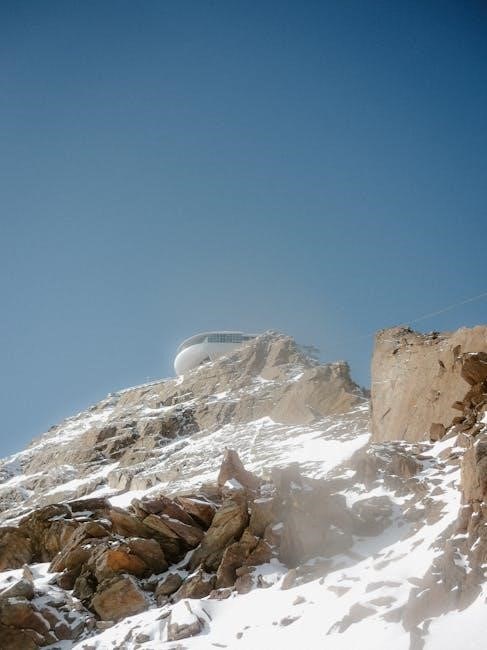
Tour du Mont Blanc Self-Guided: A Comprehensive Plan
Embark on an unforgettable 170-mile journey! This guide details planning a self-guided Tour du Mont Blanc trek, covering three countries and breathtaking views․ Discover essential preparation,
navigation, and logistical considerations for this iconic adventure․
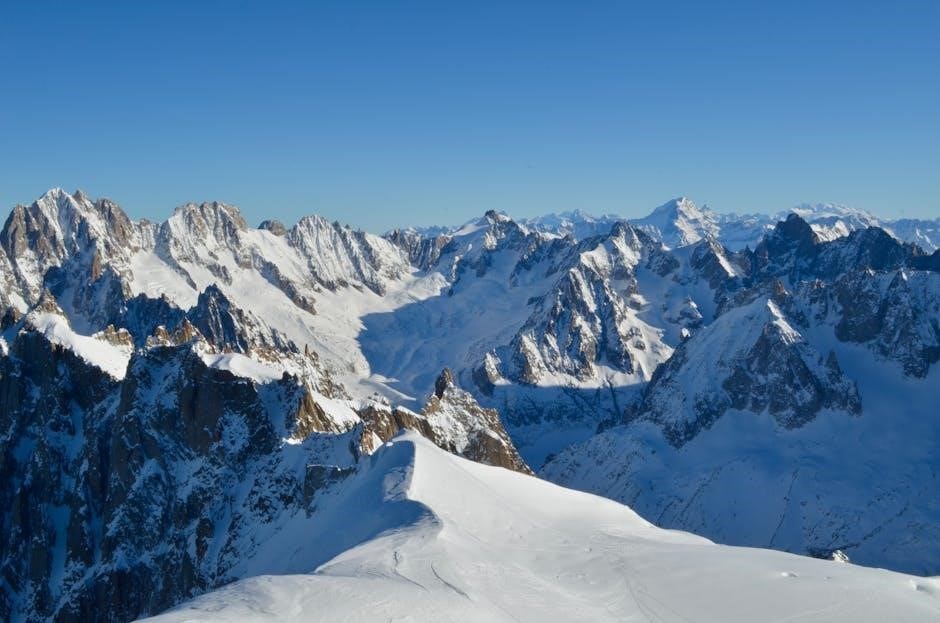
The Tour du Mont Blanc (TMB) is arguably one of Europe’s most iconic long-distance hiking trails, circumnavigating the Mont Blanc massif․ This spectacular trek passes through three countries – France, Italy, and Switzerland – offering a diverse landscape of stunning alpine scenery, charming villages, and challenging terrain; The complete circuit typically covers around 170 kilometers (106 miles) with approximately 10,000 meters (33,000 feet) of ascent and descent․
Traditionally tackled as an 11-day hike, the TMB is increasingly popular as a self-guided adventure․ This allows hikers the freedom to explore at their own pace, choosing accommodation and routes that suit their preferences․ The trail’s accessibility, coupled with well-maintained paths and a network of mountain refuges (refuges) and hotels, makes it ideal for independent trekkers․ Whether you’re an experienced mountaineer or a dedicated hiker, the TMB promises an unforgettable experience, showcasing the raw beauty of the Alps and offering a unique cultural immersion․
Recent sources highlight the increasing interest in guided and self-guided options, with many utilizing apps and audio guides to enhance their journey․
What Makes a Self-Guided TMB Trek Unique?
A self-guided Tour du Mont Blanc trek offers a level of independence and flexibility unmatched by organized group tours․ You dictate the pace, choosing daily distances and rest days based on your fitness level and preferences․ This personalized approach allows for spontaneous detours to explore hidden valleys, linger in picturesque villages, or simply savor the breathtaking views at your leisure․
Unlike guided tours with fixed itineraries, self-guidance empowers you to tailor the experience․ You select your accommodation – from rustic mountain refuges to comfortable hotels – and manage your own food and water supplies․ This fosters a deeper connection with the environment and local culture; Utilizing resources like maps, GPS devices, and specialized apps, you navigate the trail with confidence, embracing the challenge and reward of self-reliance․
The availability of boat tours as part of the self-guided experience, coupled with audio guides in multiple languages, enhances cultural immersion․ This approach encourages self-regulated learning and mindful exploration, creating a truly unique and enriching adventure․
TMB Route Overview & Key Sections
The Tour du Mont Blanc (TMB) is a roughly 170-mile (270 km) circuit encompassing France, Italy, and Switzerland․ The trail circumnavigates the Mont Blanc massif, Western Europe’s highest peak, offering diverse landscapes from lush valleys to rugged alpine terrain․ Typically completed in 10-11 days, the route gains approximately 10,000 meters (33,000 feet) of elevation․
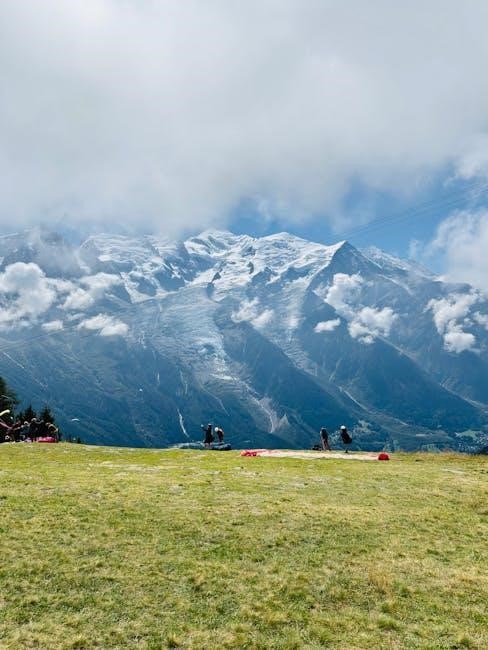
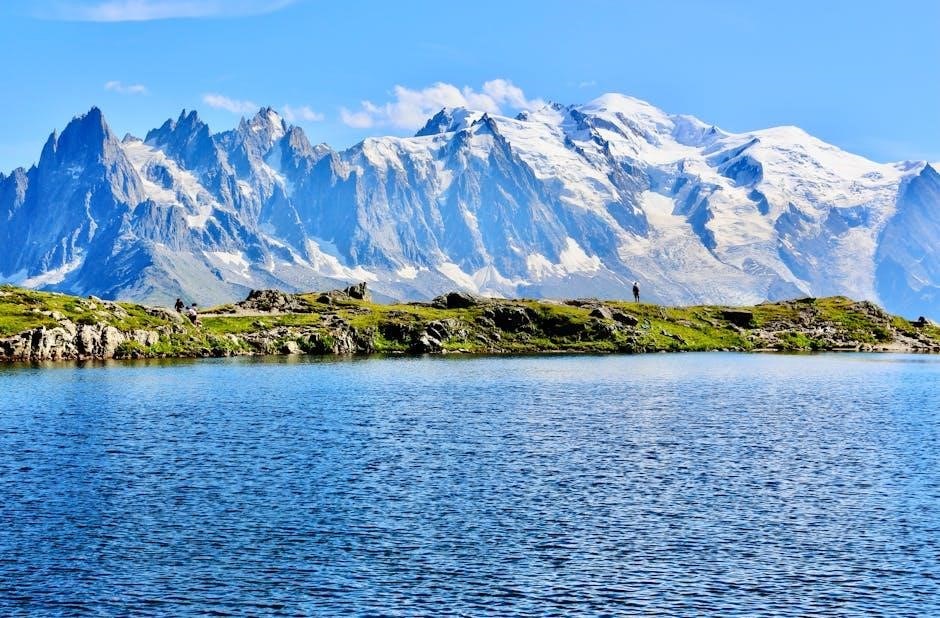
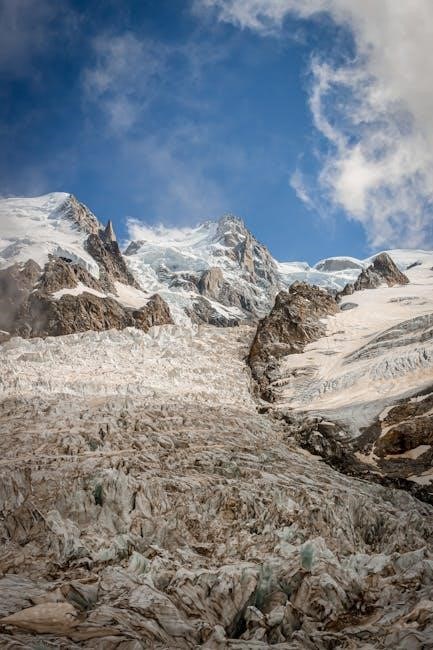
Key sections include the initial ascent from Les Houches (France) towards Refuge de Bellachat, offering stunning views of the Chamonix valley․ The crossing of the Col de Balme into Switzerland presents challenging climbs and rewarding panoramas․ Italy’s Val Ferret provides a gentler, more pastoral experience before tackling the Grand Col Ferret, a high point with spectacular glacier views․
The final stages involve traversing back into France, passing through charming villages like Courmayeur and Champex-Lac, and culminating in a descent back towards Chamonix․ Each section presents unique challenges and rewards, demanding careful planning and preparation․ Understanding these key areas is crucial for a successful trek․
Duration and Best Time to Hike
The Tour du Mont Blanc typically requires 10-11 days to complete, although faster hikers can manage it in 8, while those preferring a more leisurely pace might take 12-14 days․ This timeframe allows for adequate acclimatization and enjoyment of the scenery․ Daily distances average between 10-16 miles (16-26 km), with significant elevation gains and losses․
The optimal time to hike the TMB is from mid-June to mid-September․ July and August offer the warmest temperatures and lowest chance of snow at higher altitudes, but also experience the highest crowds․ June and September provide a quieter experience, but may encounter lingering snow patches or early autumn conditions․
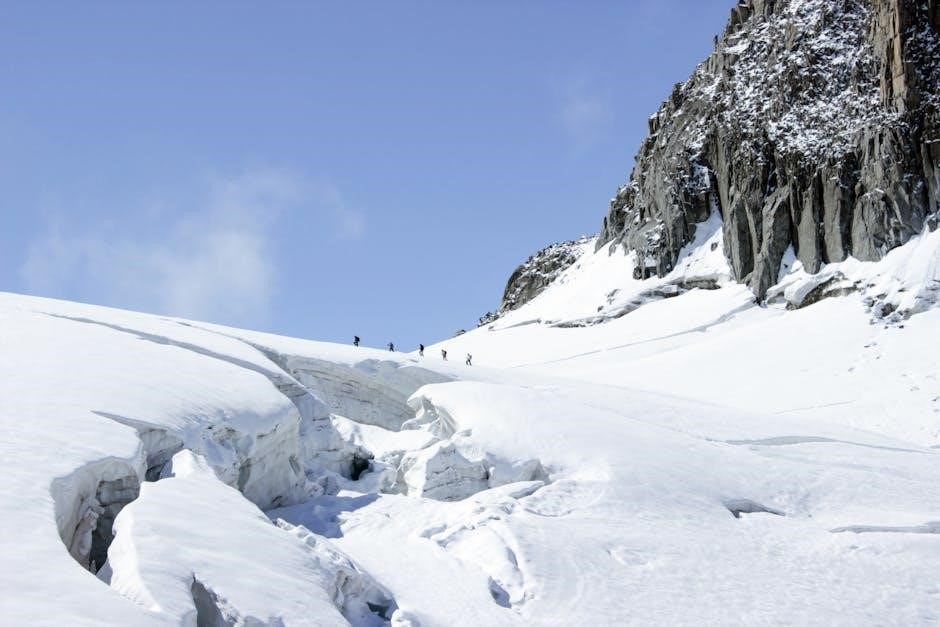
Outside of these months, many refuges are closed, and conditions become increasingly unpredictable․ Snow can persist well into summer at higher passes, requiring specialized equipment․ Careful consideration of weather forecasts and refuge availability is essential when planning your trek, regardless of the chosen month․
Physical Fitness & Preparation
The Tour du Mont Blanc is a demanding trek requiring a high level of physical fitness․ Prior to your hike, engage in regular cardiovascular exercise, such as running, cycling, or swimming, to build endurance․ Incorporate strength training, focusing on legs, core, and back, to prepare for steep ascents and descents․ Hiking with a weighted backpack is crucial for simulating trail conditions․
Aim to comfortably hike for several consecutive days with a fully loaded pack before embarking on the TMB․ Practice hiking on varied terrain, including hills and mountains, to acclimatize to altitude and uneven surfaces․ Flexibility and balance exercises can also help prevent injuries․
Don’t underestimate the cumulative effect of daily mileage and elevation gain․ Listen to your body and gradually increase your training intensity․ Consider consulting a healthcare professional before starting any new exercise program, especially if you have pre-existing medical conditions․ Proper preparation is key to enjoying a safe and successful trek․
Essential Gear Checklist
A well-curated gear list is paramount for a comfortable and safe Tour du Mont Blanc experience․ Footwear: Sturdy, broken-in hiking boots are non-negotiable․ Pack moisture-wicking socks to prevent blisters․ Clothing: Layering is key – include base layers, insulating mid-layers (fleece or down), and a waterproof/windproof outer shell․
Backpack (40-60L): Choose a comfortable pack with adequate capacity․ Navigation: Maps, compass, and a GPS device or smartphone with offline maps are essential․ Safety: First-aid kit, headlamp, whistle, and sunscreen are vital․ Other essentials: Trekking poles, water bottles/hydration reservoir, sunglasses, hat, and insect repellent․
Consider bringing a lightweight towel, toiletries, and a reusable shopping bag․ Don’t forget a camera to capture the stunning scenery! Refuges provide bedding, but a sleeping bag liner is recommended for hygiene․ Carefully weigh each item to minimize pack weight, as you’ll be carrying everything yourself․ Prioritize functionality and durability․
Accommodation Options: Refuges vs․ Hotels
Choosing between refuges (mountain huts) and hotels significantly impacts your Tour du Mont Blanc experience․ Refuges offer a traditional, communal atmosphere, immersing you in the trekking culture; They typically provide dormitory-style accommodation, half-board meals (dinner and breakfast), and a social hub for hikers․ Booking well in advance is crucial, especially during peak season, as spaces are limited․
Hotels, found in valley towns and villages, provide more privacy and comfort․ You’ll have a private room, en-suite bathroom, and greater flexibility with meal options․ However, hotels often require detours from the main trail, adding extra mileage․ They also tend to be more expensive than refuges․
A hybrid approach – combining refuge stays with occasional hotel nights – offers a balance․ This allows you to enjoy the refuge experience while benefiting from the comfort of a hotel for rest days or when convenient․ Consider your budget, desired level of comfort, and willingness to deviate from the trail when making your decision․
Booking Refuges & Accommodation Strategies
Securing refuge accommodation requires meticulous planning and early booking – often 6-12 months in advance, especially for peak season (July-August)․ Many refuges now have online booking systems, streamlining the process․ However, some still require phone or email reservations, demanding patience and potentially language skills․
Be prepared with alternative options․ Refuges often have limited capacity, and popular sections fill up quickly․ Identify backup refuges along your route in case your first choice is unavailable․ Consider staying in valley towns and utilizing public transport to access trailheads if refuge options are exhausted․
Flexibility is key․ Be willing to adjust your itinerary based on accommodation availability․ Booking a few nights in hotels strategically can provide a safety net․ Some tour operators offer refuge booking services, simplifying the process for a fee․ Confirm your reservations a few weeks before your trek to avoid any last-minute surprises․
Navigation: Maps, GPS & Apps
Reliable navigation is paramount for a self-guided Tour du Mont Blanc trek․ While the trail is generally well-marked, conditions can change rapidly, and visibility can be limited․ A detailed topographic map (1:25,000 scale) is essential, alongside a compass and the knowledge to use them effectively․
GPS devices and smartphone apps offer valuable supplementary navigation tools․ Download offline maps onto your phone using apps like Gaia GPS, AllTrails, or Maps․me․ Ensure your devices are fully charged and carry power banks for multi-day use․ Familiarize yourself with the app’s features before your trek․
Don’t rely solely on technology․ Batteries can fail, and devices can malfunction․ Always carry a physical map and compass as a backup․ Learn basic map-reading skills and practice using them before your trip․ Understanding contour lines and recognizing landmarks will significantly enhance your navigational confidence and safety on the trail․
Daily Itinerary Suggestions (Example ⎻ 7 Days)
This 7-day itinerary is a suggestion, adaptable to your fitness level and preferences․ Day 1: Les Houches to Refuge de Bellachat (approx․ 14km, 900m ascent)․ Day 2: Bellachat to Refuge Bonhomme (approx․ 16km, 1000m ascent)․ Day 3: Bonhomme to Courmayeur, Italy (approx․ 18km, 600m descent)․
Day 4: Courmayeur to Rifugio Elena (approx․ 12km, 800m ascent)․ Day 5: Elena to Champex-Lac, Switzerland (approx․ 15km, 500m descent)․ Day 6: Champex-Lac to Refuge de la Forclaz (approx․ 17km, 1100m ascent)․ Day 7: Forclaz to Les Houches (approx․ 15km, 700m descent)․
Remember to book refuges in advance, especially during peak season․ Distances and ascents are approximate and can vary․ Allow for flexibility in your schedule due to weather conditions or unforeseen circumstances; Consider shorter days initially to acclimatize and build stamina․ Enjoy the stunning scenery and embrace the challenge!
Food & Water on the Trail
Refuges typically offer hearty meals – breakfast, packed lunches, and dinner – but these should be pre-booked․ Expect traditional alpine cuisine, providing essential energy for hiking․ Supplement refuge meals with your own snacks: energy bars, nuts, dried fruit, and chocolate are excellent choices․ Consider dietary restrictions when booking; vegetarian and vegan options are increasingly available, but confirm in advance․
Water sources are generally plentiful, but purification is crucial․ Streams and springs appear along the route, but treat all water using a filter, purification tablets, or by boiling․ Carry sufficient water capacity (at least 2 liters) and refill whenever possible․ Some sections may have limited water access, so plan accordingly․
Pack high-calorie, lightweight foods to maintain energy levels․ Remember to pack out all trash, respecting the pristine alpine environment․ Enjoy local delicacies in villages along the way, but prioritize trail-friendly sustenance for optimal performance․
Budgeting for a Self-Guided TMB Trek
A self-guided TMB trek requires careful budgeting․ Costs vary significantly based on accommodation choices, dining preferences, and transportation․ Expect to spend approximately €80-€150 per day, but this is a broad estimate․
Accommodation is a major expense․ Refuge stays typically cost €60-€90 per night (including half-board), while hotels in towns are considerably more expensive (€100-€200+)․ Booking well in advance can secure better rates․
Food and drink add to the cost․ Supplementing refuge meals with snacks and drinks can add €20-€30 per day․ Transportation to/from the trailheads (flights, trains, buses) can range from €200-€500, depending on your origin․
Factor in map/guidebook costs (€30-€50), potential emergency funds, and personal spending․ A realistic budget for a 7-day trek ranges from €700 to €1500+, excluding travel to/from Europe․ Consider travel insurance for unforeseen circumstances․
Transportation to/from the Trailheads
Reaching the Tour du Mont Blanc trailheads requires planning․ The most common starting point is Chamonix, France, easily accessible from Geneva Airport (GVA)․ From Geneva, frequent buses and trains connect to Chamonix, taking approximately 1․5-2․5 hours․
Other starting points include Les Houches, also near Chamonix, and Courmayeur, Italy․ Reaching Courmayeur involves buses from Chamonix or trains from Aosta, Italy․ Les Contamines-Montjoie is another option, accessible by bus from Saint-Gervais-les-Bains․
Consider the circular route’s end point when planning your return journey․ Many hikers finish in Champex-Lac, Switzerland, requiring transport to Geneva or another major airport․ Buses and trains connect Champex-Lac to Martigny, then onward to Geneva․
Pre-booking transportation, especially during peak season, is highly recommended․ Websites like SNCF Connect (France), Trenitalia (Italy), and SBB (Switzerland) provide schedules and booking options․ Factor in transfer times and potential delays when planning your itinerary․
Safety Considerations & Emergency Procedures
The Tour du Mont Blanc, while rewarding, demands respect for mountain conditions․ Weather can change rapidly, even in summer, bringing rain, snow, and reduced visibility․ Check forecasts daily and be prepared for all conditions with appropriate clothing․
Altitude sickness is a potential risk․ Ascend gradually, stay hydrated, and be aware of symptoms like headache, nausea, and fatigue; Descend if symptoms worsen․ Proper acclimatization is crucial for a safe trek․
Trail conditions vary, ranging from well-maintained paths to rocky, exposed sections․ Sturdy hiking boots with ankle support are essential․ Be mindful of footing and potential hazards like loose rocks and steep drop-offs․
Carry a fully charged mobile phone, but be aware that coverage is not guaranteed in all areas․ A personal locator beacon (PLB) or satellite messenger can be invaluable in emergencies․ Know the local emergency numbers (112 is the European emergency number)․ Inform someone of your itinerary and expected return date․
Cultural Experiences Along the Route
The Tour du Mont Blanc isn’t just a physical challenge; it’s a journey through the heart of Alpine culture․ The trek traverses France, Italy, and Switzerland, offering a unique blend of traditions and languages․
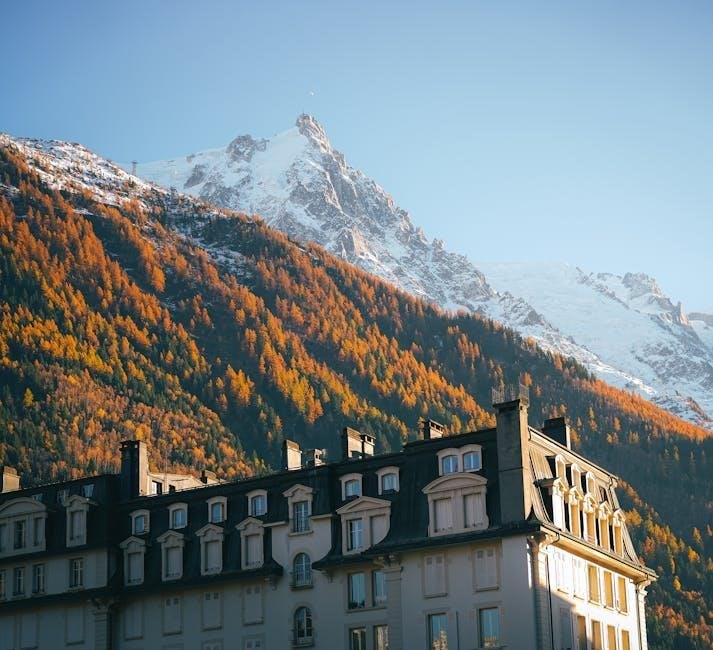
In France, experience the Savoyard hospitality and sample local cheeses like Reblochon and Beaufort․ Explore charming villages like Les Contamines-Montjoie, steeped in history and tradition․ Discover the region’s architectural heritage, from traditional chalets to ancient churches․
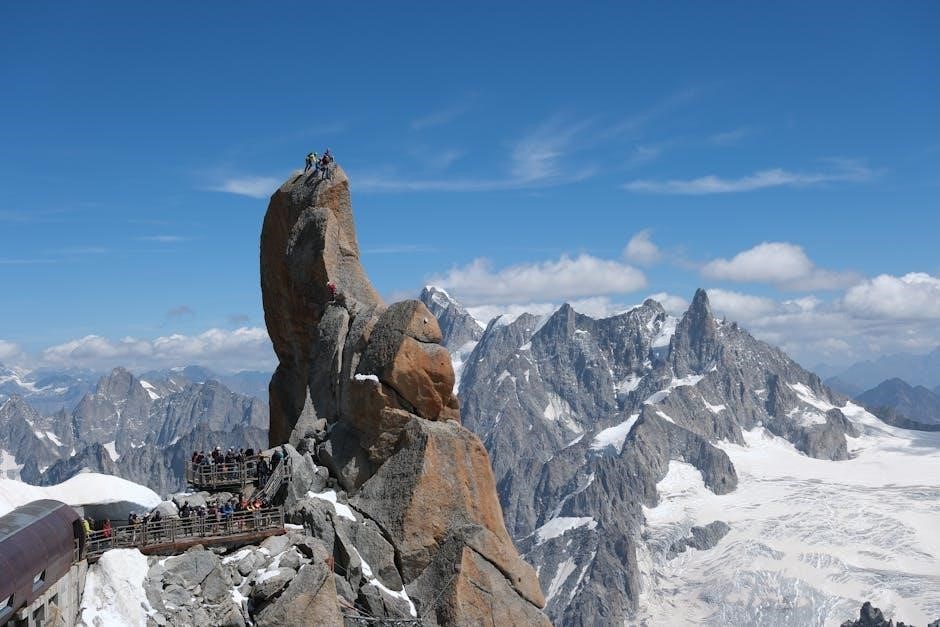
Italy presents a different flavor, with influences from the Aosta Valley․ Enjoy hearty Italian cuisine, including polenta and local wines․ Explore the historic town of Courmayeur, a mountaineering hub with a vibrant atmosphere․
Switzerland offers a glimpse into its renowned precision and efficiency․ Experience the Swiss-German and French-speaking cultures․ Indulge in Swiss chocolate and cheese fondue․ Visit picturesque villages and learn about the region’s alpine farming traditions․ Engage with locals and embrace the diverse cultural tapestry of the TMB․
Post-Trek: Recovery & Further Exploration
Completing the Tour du Mont Blanc is a significant achievement, but proper recovery is crucial․ Allow ample time for your body to recuperate after the strenuous multi-day hike․ Prioritize rest, hydration, and nutritious meals to aid muscle recovery and replenish energy stores․
Chamonix, often the trek’s starting or ending point, offers excellent facilities for post-trek relaxation․ Consider a massage or spa treatment to soothe aching muscles․ Explore the town’s shops, restaurants, and cafes․
Extend your Alpine adventure! The Mont Blanc region boasts numerous opportunities for further exploration․ Hike to nearby peaks, visit glacial caves, or try via ferrata․ Explore other valleys and villages in the French, Italian, or Swiss Alps․
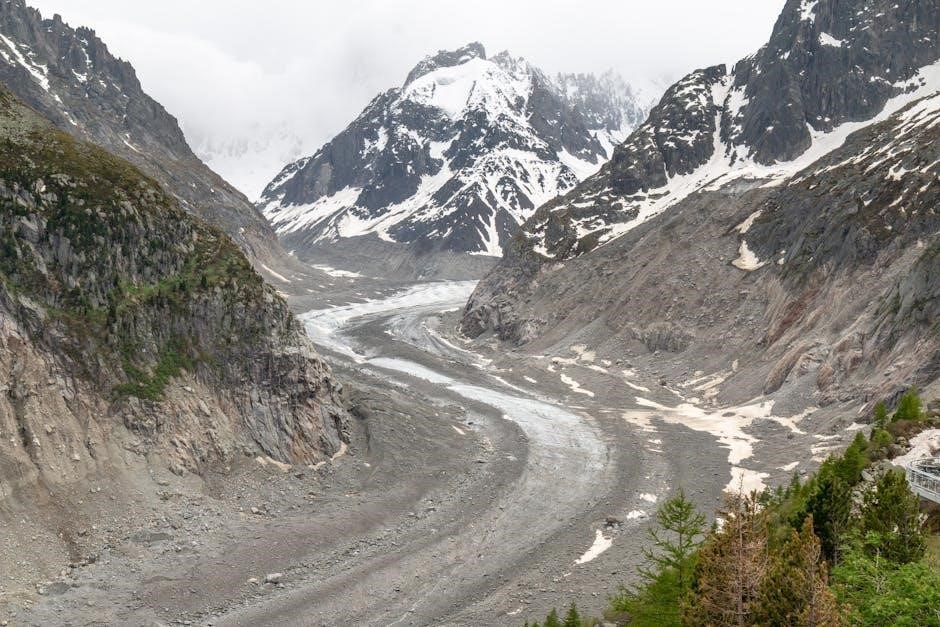
Geneva, easily accessible from Chamonix, provides a contrasting urban experience․ Explore its international organizations, museums, and lakeside promenades․ Consider day trips to nearby Swiss cities like Lausanne or Bern․ Reflect on your TMB journey and plan your next adventure!
Leave a Reply