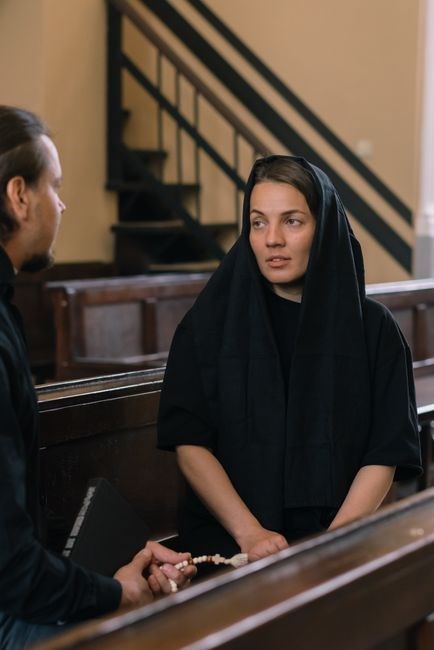
The Orthodox sacrament of confession invites believers to confess sins, seek God’s mercy, and receive spiritual healing. Rooted in Scripture and early Church Fathers, it emphasizes repentance, humility, and the priest’s role as a mediator of divine grace. It nurtures humility communion usnow.
Purpose and Spiritual Significance
Orthodox confession is not merely a ritual but a profound encounter with divine mercy. Its purpose is to restore the broken relationship between the sinner and God, to cleanse the soul, and to renew the believer’s commitment to the path of holiness. By confessing, one acknowledges the weight of sin, experiences humility, and opens the heart to the transformative power of repentance. The priest, acting as a representative of Christ, offers absolution, guiding the penitent toward spiritual healing and growth. This sacrament also serves as a communal reminder that all Christians share the need for grace, fostering solidarity and mutual support. The act of confession invites the Holy Spirit to work within, encouraging a deeper sense of gratitude, a renewed sense of purpose, and a strengthened resolve to live in accordance with the teachings of Scripture and the tradition of the Church.
Moreover, confession fosters a continual awareness of God’s presence, encouraging believers to live in constant repentance and gratitude. It also serves as a spiritual discipline that sharpens discernment, allowing one to recognize the subtle ways sin infiltrates daily life. The sacramental act reinforces the communal bond, reminding us that we are part of a larger body that supports each other in the journey toward holiness. Finally, confession is a source of profound peace, as the soul is cleansed and the heart is renewed, enabling a deeper communion with the divine.
Theological Foundations
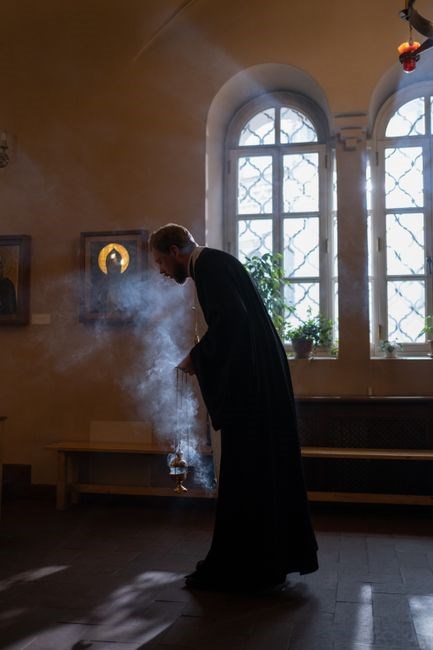
Orthodox theology views confession as the sacramental bridge to divine grace, rooted in Christ’s words at the Last Supper and the early Church’s practice. It reflects the Church’s teaching that repentance, confession, and absolution restore communion with God and the community.It unites believers.
Scriptural and Patristic Teachings
In again the New Testament, Jesus’ instruction at the Last Supper (“confess your sins”) establishes confession as a covenantal act. The Apostle Paul’s letters, especially 1 John 1:9, affirm that confession leads to forgiveness and cleansing. Early Fathers such as St. Gregory of Nyssa and St. John Chrysostom emphasize that confession is a means of healing the soul, restoring the believer to the divine life. The priest, acting in the person of Christ, grants absolution, thereby re‑establishing the sacramental bond broken by sin. The Council of Nicaea (325 AD) recognized confession as a sacrament, and the Catechetical School of Alexandria codified its practice. The Orthodox tradition holds that confession is not merely a confession of guilt but a transformative encounter with the Triune God, where repentance, confession, and absolution work together to bring the soul back into communion with the Church and the divine. This theological framework underscores the sacrament’s role as a vital expression of the Church’s healing mission, rooted in Scripture, patristic wisdom, and the lived experience of the faithful
Preparation for Confession
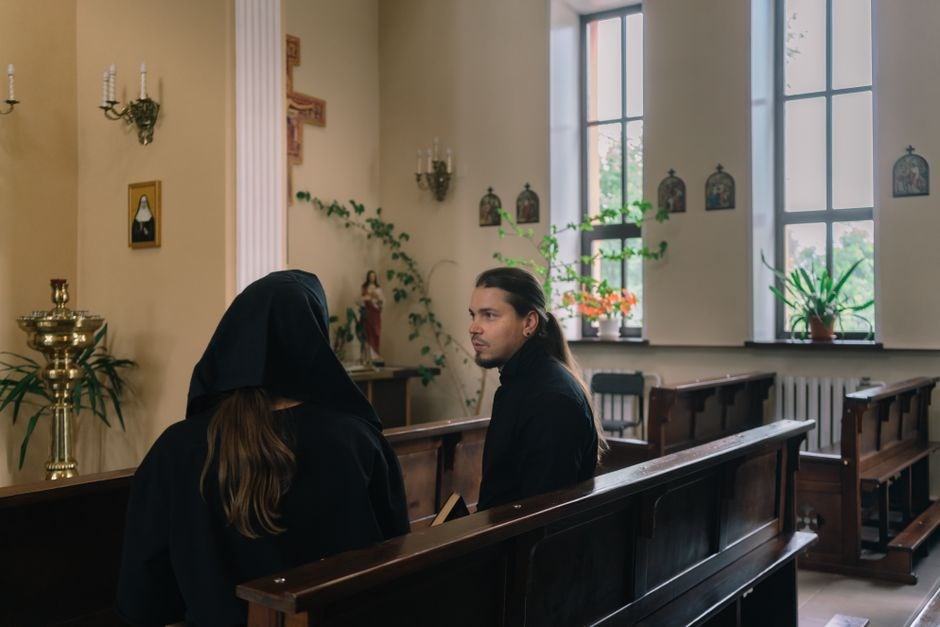
Before confession, believers engage in private prayer, corporate worship, fasting, and penitential services. Self‑examination guided by Scripture and the Ten Commandments helps identify sins. This preparation fosters humility, repentance, and readiness for the sacrament. and a heart ready now!?
Prayer, Fasting, and Self‑Examination
Orthodox preparation for confession is a holistic spiritual journey that blends prayer, fasting, and rigorous self‑examination. In the liturgical calendar, the period leading to confession often coincides with the Great Lent, a 40‑day fast that purifies body and mind. During this time, believers recite the Jesus Prayer, “Lord Jesus Christ, Son of God, have mercy on me, a sinner,” as a continual reminder of God’s mercy and their own need for repentance. Fasting is not only a physical restraint from certain foods but also a symbolic act of denying worldly pleasures, thereby focusing the heart on God. The practice of self‑examination involves a systematic review of one’s thoughts, words, and deeds, guided by the Ten Commandments and the Sermon on the Mount. Many churches provide confession guides that list common sins—such as pride, envy, or neglect of the poor—and encourage confessors to reflect on each. This reflective process is often accompanied by the reading of Psalms, especially Psalm 51, “Create in me a clean heart, O God,” to cultivate humility. By combining prayer, fasting, and self‑examination, the faithful prepare an open, contrite heart, ready to receive the sacramental grace of confession and the healing that follows. Through this disciplined preparation, the believer’s heart is cleansed, the soul is renewed, and the path to communion with God becomes clearer, inviting a deeper trust in His boundless mercy and the transformative power of His grace. This renewal strengthens resolve to grace now
Confessional Procedure
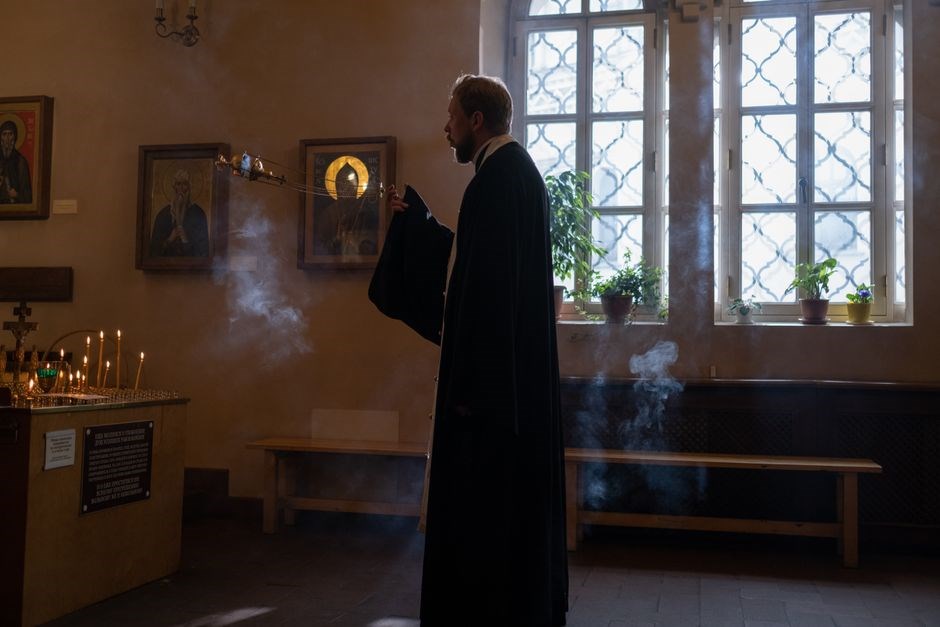
The priest, acting as a mediator, listens, offers absolution, assigns penance, and prays for healing. The confessor may ask questions, guide repentance, and provide spiritual counsel. The rite culminates with the priest’s blessing and a prayer of renewal. today now
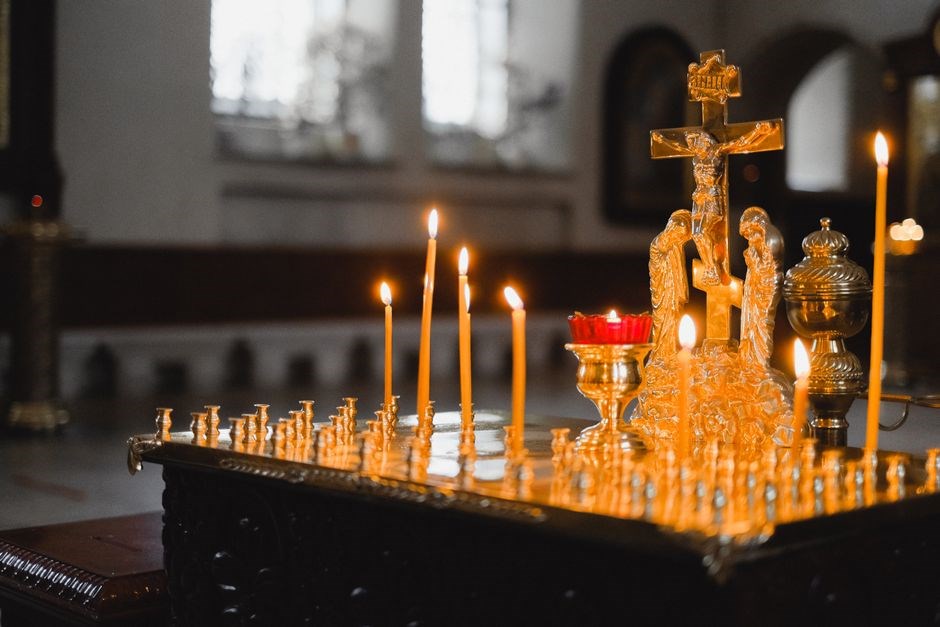
Liturgical Elements and Confessor’s Role
The confessional rite in Orthodoxy is a solemn encounter where the faithful, guided by the priest, confess sins, receive absolution, and are assigned penance. The priest, acting as a spiritual mediator, listens attentively, offers prayers of forgiveness, and may ask clarifying questions to ensure genuine repentance. The rite typically begins with the confession of sins, followed by the priest’s words of absolution: “I absolve you in the name of the Father, and of the Son, and of the Holy Spirit.” The confessor then prescribes a penance—often a prayer, almsgiving, or fasting—to help the penitent grow in humility and love. Throughout the encounter, the priest also offers pastoral counsel, encouraging the faithful to reflect on the root causes of sin and to seek continual spiritual growth. The liturgical elements include the priest’s blessing, the prayer of renewal, and the sign of the cross, all underscoring the sacramental nature of confession as a means of healing and sanctification. The confessor’s role is thus multifaceted: mediator, teacher, and spiritual guide, ensuring that the sacrament is received with reverence, sincerity, and a commitment to ongoing transformation. The practice is rooted in the early Church’s tradition of private confession, reflecting the communal nature of repentance and the belief that true healing comes through both divine grace and human responsibility. In many parishes, the confessional space is designed to foster privacy and reverence, often with a small altar, icons, and a veil to maintain anonymity.
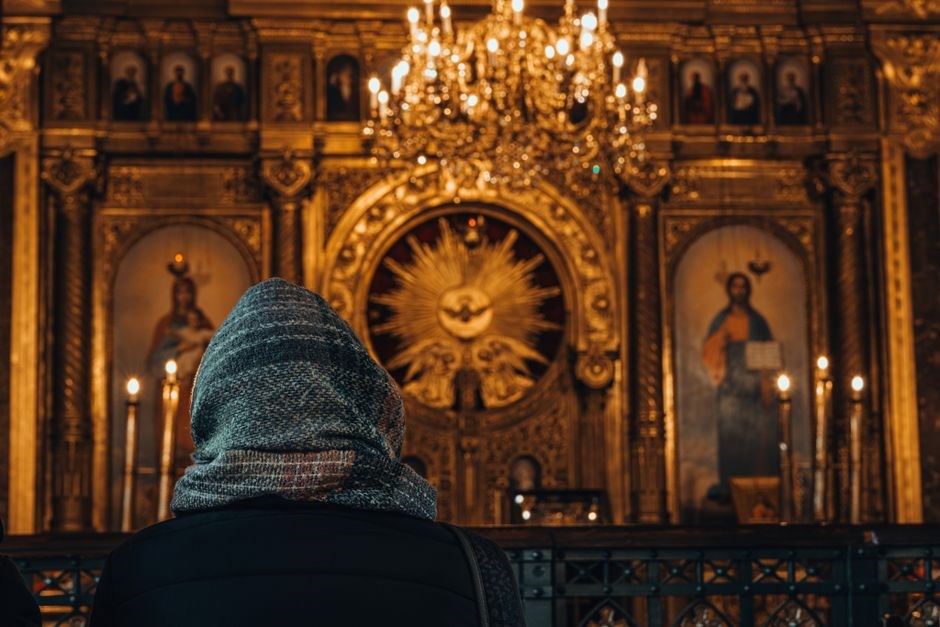
Spiritual Benefits
Confession restores inner peace, heals guilt, and deepens communion with God. It renews faith, strengthens humility, and fosters spiritual growth. The sacrament offers forgiveness, healing, and sanctification, guiding believers toward a Christ‑centered life and renewal now.
Forgiveness, Healing, and Sanctification
In the Orthodox sacrament, forgiveness is not merely a legal absolution but a transformative encounter with divine mercy. When a soul confesses, the priest, acting as Christ’s representative, offers the prayer of absolution, invoking the Holy Trinity. The confession releases the burden of guilt, allowing the believer to experience the peace that surpasses understanding. Healing emerges as the soul is cleansed from the corrosive effects of sin, restoring harmony with God and with fellow Christians. This process is often described as a spiritual rebirth, where the individual is renewed in the image of Christ. Sanctification follows, as the confession becomes a catalyst for ongoing conversion. The faithful are encouraged to adopt the practices of prayer, fasting, and almsgiving, thereby cultivating virtues that counteract sin. The sacrament also strengthens communal bonds, as confession is a public affirmation of Church’s commitment to repentance and reconciliation. Over time, repeated participation in confession deepens one’s relationship with Holy Spirit, fostering a life of humility, gratitude, and steadfast faith. Ultimately, the Orthodox view holds that confession is a means to participate in the divine life, to be healed of spiritual wounds, and to be sanctified for the purpose of glorifying God in all aspects of existence. The sacramental act also invites the confessor to reflect on the roots of sin, encouraging a deeper self‑examination that leads to genuine repentance. Through this ongoing process, the believer learns to recognize the subtle ways in which sin can infiltrate daily life, and to seek God’s guidance in overcoming those challenges. In this way, confession becomes a living testimony of God’s boundless grace, inspiring others to pursue holiness and to live in accordance with the teachings of the Church!
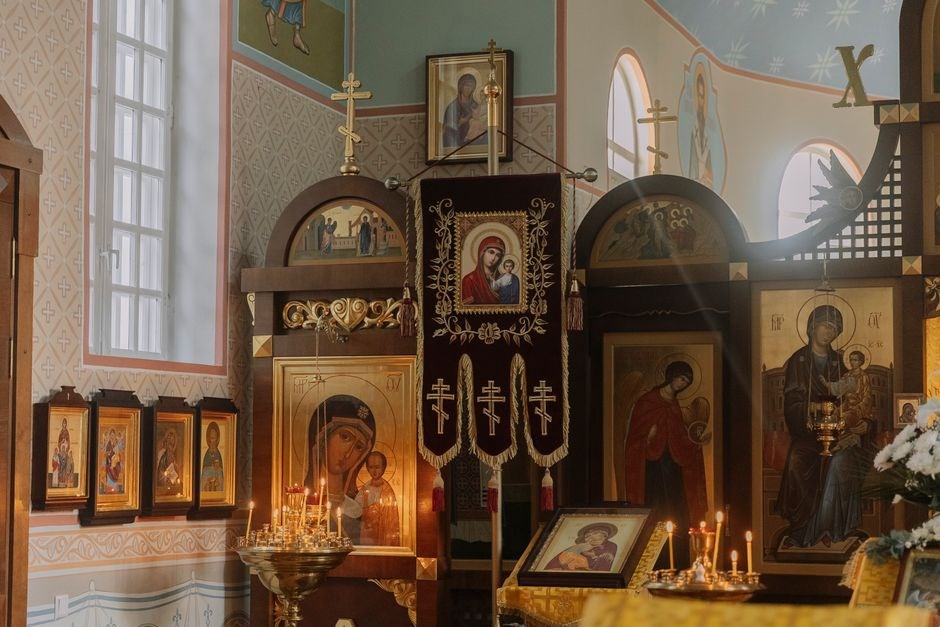
Practical Tips for First‑Time Confendants
First‑time confendants should choose a trusted priest, attend a brief orientation, and prepare a short list of sins. Bring a journal, pray the Psalms, and practice humility. Remember, confession is a sacrament of mercy, not judgment.
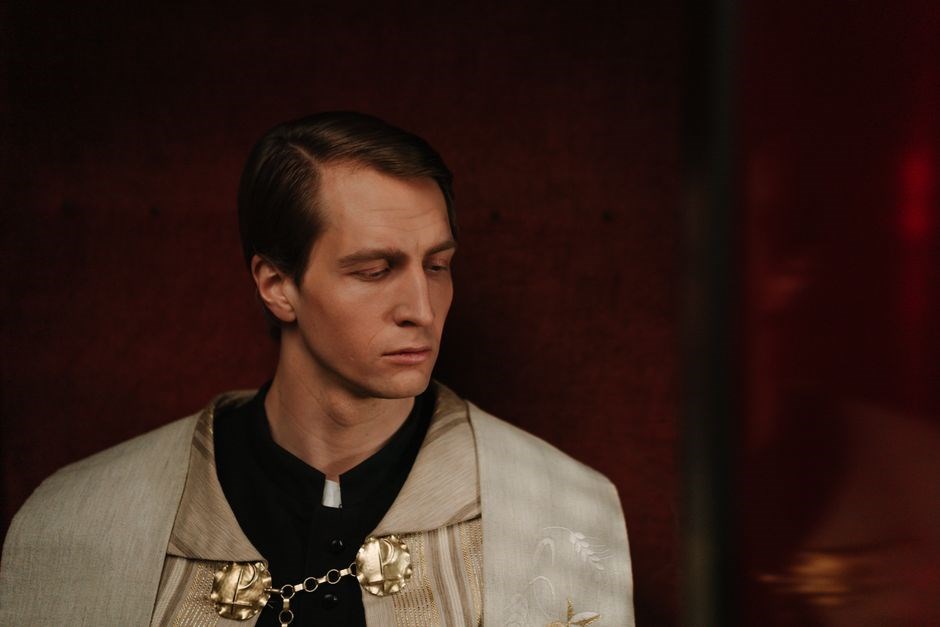
- Ask the priest for guidance.
Be honest Thank
Choosing a Confessor and Understanding the Process
When preparing for your first confession, selecting a confessor is a deliberate act of trust. Seek a priest ordained in the Orthodox tradition who shows pastoral sensitivity. Ask parishioners for recommendations or observe his teaching during services. The confessor’s role is to hear your sins, guide repentance, prescribe penance, and offer sacramental absolution that restores communion with God. The priest’s guidance helps you to see the path toward reconciliation. The confessor may also provide spiritual counsel and recommend specific prayers or fasting.
Understanding the process eases anxiety. The rite begins with a brief prayer of repentance, followed by a private conversation in a quiet, private space. The priest may ask you to recount sins, but the focus remains on sincere contrition. After hearing your confession, the priest offers a short prayer of absolution, often including a blessing and a recommendation for a specific act of penance such as fasting, almsgiving, or a particular prayer. The rite is brief, usually lasting no more than ten minutes, and is designed as a moment of spiritual renewal rather than formal judgment. This brief encounter can transform your spiritual life. The priest’s gentle tone and empathetic listening foster a safe environment for confession.
Preparation is key. Prior to meeting the confessor, spend personal prayer, review the Ten Commandments and the Sermon on the Mount, and write a concise list of transgressions. This helps articulate contrition clearly. Remember that confession is a sacrament of mercy; the priest’s office is a channel of divine grace, not a legalistic tribunal. By choosing a compassionate confessor and approaching with humility, you open the door to healing and deeper communion with the Church. Such a supportive setting encourages ongoing growth in humility and gratitude. After the absolution, the priest may suggest a short period of reflection or a particular hymn to sing.
Common Misconceptions
Many believe confession is a confession of guilt, but it is a dialogue of grace. The priest is not a judge; he offers absolution, penance, and guidance. Orthodox confession emphasizes repentance, humility, and the sacramental healing of the soul. It invites continual growth and deeper faith.Stay!
Clarifying Orthodoxy’s View on Confession

In practice, confession is guided by the liturgical rhythm of the Church year, with special emphasis during Great Lent, Holy Week, and the Feast of the Nativity. The priest may recommend specific prayers, such as the 30‑day penitential cycle, and encourage the use of the Psalter for personal reflection. The sacrament is not a one‑off ritual but a continual journey toward the Kingdom of God, where each confession deepens the believer’s awareness of divine love and the call to live in humility and service.
Ultimately, confession is guided by the liturgical rhythm of the Church year, with special emphasis during Great Lent, Holy Week, and the Feast of the Nativity. The priest may recommend specific prayers, such as the 30‑day penitential cycle, and encourage the use of the Psalter for personal reflection. The sacrament is not a one‑off ritual but a continual journey toward the Kingdom of God, where each confession deepens the believer’s awareness of divine love and the call to live in humility and service.
Confession invites the faithful to seek God’s mercy, grow in humility, and join the Church’s mission of love and reconciliation. It strengthens the bond between the individual and the Body of Christ.andwalk in grace daily
Leave a Reply