
Overview of the 12‑Week HYROX Training Plan PDF
Discover a structured 12‑week HYROX training plan PDF, featuring weekly targets, two fully written sample weeks, and a race simulation. It blends strength, running, station work, mobility, and recovery for beginners. Download the free PDF to start your hybrid athlete journey. Now!!

Weekly Structure and Progression
The plan follows a 4‑day weekly schedule, alternating intensity, with progressive load increases. Each week builds on the last, incorporating running, station work, strength, and recovery to peak for race day. Weekly load and volume tweaks keep progress steady while preventing overuse injuries. daily !
Four‑Day Weekly Schedule
Day 1 focuses on aerobic endurance with a 45‑minute run, incorporating a GORUCK vest for added resistance and conditioning. Day 2 shifts to strength, featuring sled push/pull, goblet squats, Romanian deadlifts, and farmer holds, alternating light and heavy weeks to balance load. Day 3 is a hybrid session: a 1‑km run, 15 burpee broad jumps, 500‑m row, and a 3‑minute walk, simulating race‑style transitions; Day 4 blends mobility, recovery, and a short interval run, ensuring active rest while maintaining weekly mileage. Recovery protocols—dynamic stretching, foam rolling, active mobility drills—are embedded after every session to promote joint health muscular balance. The schedule repeats weekly, with progressive increases in distance, weight, and intensity, while rest days are strategically placed to allow full recovery and adaptation. This structure supports beginners with no prior experience, gradually building confidence and performance for the HYROX event.
Each week’s load is carefully calibrated to avoid overtraining while maximizing adaptation. The program employs periodized blocks: initial base building, transitional intensity spikes, and a taper that mirrors race demands. Coaches emphasize technique over speed, ensuring athletes master each station before adding volume. Recovery protocols—dynamic stretching, foam rolling, and active mobility drills—are embedded after every session to promote joint health and muscular balance. Nutrition guidance is integrated, focusing on carbohydrate timing for endurance, protein for muscle repair, and electrolytes for hydration. The final weeks simulate full race conditions, allowing athletes to practice pacing, mental focus, and transition efficiency under fatigue. This holistic approach equips participants to finish strong and safely. and resilience and core, and focus.
Phase‑by‑Phase Breakdown (Weeks 1‑12)
Weeks 1‑4 establish a solid aerobic base with steady‑state runs, core stability work, and introductory station drills. The focus is on technique, building a foundation of endurance and strength while keeping intensity moderate. Each week adds 5‑10 % volume, ensuring gradual adaptation. Weeks 5‑8 transition to higher‑intensity intervals, heavier sled pushes/pulls, and increased rowing distances. The program alternates light and heavy weeks, allowing recovery while pushing limits. Weeks 9‑10 emphasize race simulation: full‑round hybrid workouts that mirror the HYROX format, pacing drills, and mental rehearsal under fatigue. Volume peaks, and athletes practice transitions between running, rowing, and stations. Week 11 is a strategic taper, reducing overall volume by 30 % but maintaining intensity to preserve sharpness. The final week, Week 12, is the race week: a short warm‑up, a light session to keep blood flowing, and ample rest before the event. Throughout the 12‑week cycle, mobility work, foam‑rolling, active recovery, and nutrition guidelines are reinforced to support adaptation, prevent injury, and optimize performance on race day. During the base phase, weekly mileage ranges from 20 to 30 miles, with a 5‑mile long run on Sundays. Strength sessions include squats, deadlifts, and pull‑ups, with progressive overload. In the transition phase, intervals are 400‑m repeats at 80 % effort, sled loads increase from 60 kg to 80 kg, and rowing distances extend from 500 m to 800 m. The simulation weeks feature 2‑round circuits: 1 km run, 15 burpee broad jumps, 500 m row, and 3‑minute walk, repeated twice. The taper reduces mileage to 12‑15 miles, with short 400‑m intervals at race pace. Recovery protocols include 15‑minute mobility sessions, 10‑minute foam‑rolling, and 30‑minute light cycling. Nutrition focuses on carbohydrate loading 48 hours before race, protein intake of 1.2 g/kg body weight daily, and electrolytes during training. This structured progression ensures athletes build endurance, strength, and technical proficiency while avoiding overtraining and injuries. Additionally, weekly logs track heart rate zones, perceived exertion, and sleep quality to fine‑tune training loads. Coaches recommend a 5‑minute warm‑up before each session and a 5‑minute cool‑down with static stretches. The plan is adaptable: athletes can adjust weights, distances, or rest days based on individual recovery and progress. By the end of week 12, participants should feel confident in their ability to complete all eight HYROX stations, maintain consistent pacing, and execute smooth transitions, setting the stage for a successful race day performance. All training is documented in the downloadable PDF for easy reference and a 24‑hour rest day and a cooldown routine for 10 minutes.
Week 4 focuses on consolidating aerobic endurance while introducing station‑specific drills. The day‑by‑day schedule starts with a 5‑mile steady‑state run, followed by a 20‑minute core circuit (planks, side planks, hollow holds). Day B features a 30‑minute tempo run at conversational pace, then a sled push/pull drill: 4×20 m at 60 kg, 2 min rest. Day C is a hybrid session: 1 km run, 12 burpee broad jumps, 500 m row, 3‑minute walk, repeated twice. The final day is a light recovery run of 3 miles and a mobility routine. Week 9 marks the transition to race simulation. Day A begins with a 5‑mile run at race pace, then a 15‑minute strength block (goblet squat, DB Romanian deadlift, farmer’s carry). Day B is a 30‑minute interval run: 6×400 m at 85 % effort, 90 s rest. Day C is a full‑round circuit: 1 km run, 15 burpee broad jumps, 500 m row, 3‑minute walk, repeated twice, followed by a 20‑minute sled push/pull (4×20 m, 60 kg). The week concludes with a 4‑mile easy run and a 15‑minute foam‑roll session. Both weeks emphasize progressive overload, technique refinement, and recovery strategies to prepare athletes for the demands of the HYROX event. Each session starts with a 5‑minute warm‑up and ends with a 5‑minute cooldown. Hydration is key: 500 ml water before each session and a protein snack within 30 minutes after. A 10‑minute stretch targets hamstrings, quads, and shoulders. Week 4 sled load is 60 kg; week 9 increases to 80 kg to simulate race intensity. Nutrition focuses on complex carbs, lean protein, and healthy fats. Recovery includes foam‑rolling, light cycling, and adequate sleep. The PDF includes daily logs and progress charts. All details are accessible in the downloadable PDF.

HYROX Station‑Specific Workouts
Explore targeted drills for each station: rowing intervals, sled push/pull, wall balls, burpee broad jumps, farmer’s carry. Structured sets, progressive loads, and technique cues build power, endurance, and race‑day confidence. PDF details each routine Progressive load rest intervals
Rowing Intervals
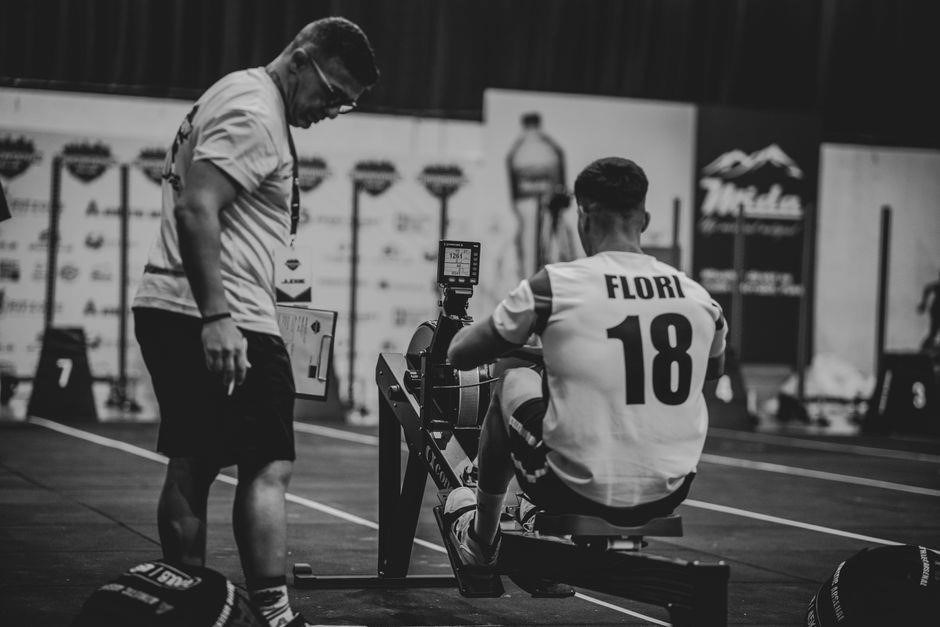
Rowing intervals form the backbone of the HYROX training plan, providing a high‑intensity cardiovascular stimulus while preserving joint integrity. The PDF recommends a progressive scheme that starts with 4×500 m at 90 % effort, followed by a 2‑minute active recovery. As weeks advance, the distance increases to 6×500 m, then 8×500 m, with effort peaking at 95 % for the final rounds. Each interval is timed to 1 :30–1 :45, encouraging a steady stroke rate of 28–32 spm. Recovery periods are kept short to simulate the rapid transitions between HYROX stations. Coaches emphasize proper technique: a full hip drive, a smooth catch, and a controlled release. The plan also incorporates a weekly “long row” of 2 km at conversational pace to build aerobic base. To track progress, athletes log split times and perceived exertion on a scale of 1–10. This structured approach ensures that by race day, rowers can sustain high power outputs for the 500 m station without compromising form. The PDF also suggests using a rowing ergometer with adjustable resistance to mimic outdoor conditions, and recommends a 5‑minute warm‑up and 5‑minute cool‑down with dynamic stretches. Finally, athletes are advised to hydrate before and after sessions, and to consume a protein‑rich snack within 30 minutes post‑row to aid recovery.
In addition, the PDF recommends incorporating interval sets with varying distances: 2×1000 m at 85 % effort, 4×750 m at 90 %, and 6×400 m at 95 % to target different energy systems. Athletes should monitor lactate thresholds and adjust effort accordingly. The plan also includes a “reverse interval” week where rowers perform 8×500 m at 80 % effort to focus on technique and endurance. Coaches advise using a metronome or pacing app to maintain consistent stroke cadence. Recovery protocols include foam rolling and active mobility drills targeting the lower back, shoulders, and hips. The PDF stresses the importance of rest days and active recovery sessions such as light cycling or swimming to prevent overuse injuries. By integrating these rowing intervals into the broader 12‑week schedule, athletes develop the power, speed, and mental resilience required for the HYROX 500 m rowing station.
Sled Push/Pull Techniques
In the HYROX training plan PDF, sled work is split into push and pull sessions, each targeting core stability, leg power, and upper‑body endurance. The push routine starts with a 20‑m sprint at 60 % load, followed by a 30‑m walk‑back, and repeats for 4 rounds. For pull, athletes use a 20‑m sprint at 70 % load, then a 30‑m walk‑back, again for 4 rounds. Coaches emphasize a low‑center‑of‑gravity stance, driving through the hips, and maintaining a straight back. The PDF recommends alternating heavy and light weeks: heavy weeks use 60–70 % load, light weeks use 40–50 % load, allowing recovery while sustaining volume. Each session ends with a 2‑minute active recovery, where athletes perform light lunges or band pulls to keep the blood flowing. Proper breathing—inhale on the walk, exhale on the sprint—is highlighted to maximize oxygen delivery. The plan also includes a “reverse sled” week, where athletes push a lighter load for longer distances (30 m) to build endurance. Recovery protocols such as foam rolling of the glutes, hamstrings, and calves, and dynamic hip mobility drills are prescribed after each sled session. The PDF stresses consistency: athletes should record load, distance, and perceived effort on a log. By the final weeks, the sled work is integrated with running intervals, simulating the race’s rapid transition and ensuring athletes can maintain form under fatigue. This systematic approach builds the explosive strength and resilience required for the HYROX sled push/pull stations.
Additionally, the PDF outlines a progressive overload strategy: each week the load increases by 5 % until week 8, then plateaus to maintain intensity while preventing overtraining. Athletes are advised to monitor heart‑rate zones, staying within 70–85 % of maximum during sprints and 60–70 % during walks. The plan also recommends a cooldown of 5 minutes of light jogging followed by static stretches targeting the quadriceps, glutes, and posterior chain. For those with limited access to a sled, the PDF suggests a weighted sled or a sandbag on a treadmill for similar resistance. Finally, mental preparation is emphasized: athletes should visualize the sled station, focus on breathing patterns, and set a target pace before each sprint to enhance performance consistency.
Sled training builds power, stamina, technique for success!!

Wall Balls and Burpees
Wall balls and burpees form the core of the HYROX training plan PDF’s high‑intensity conditioning block. The plan prescribes a 4‑week cycle of progressive volume: Week 1 starts with 3 rounds of 30 m wall‑ball throws (20 lb for men, 14 lb for women) followed by 15 burpees, resting 60 s between rounds. By Week 4 the load increases to 4 rounds of 40 m throws and 20 burpees, with a 45 s rest interval. The PDF also introduces a “burpee‑ball combo” drill: 10 burpees, immediately followed by 10 wall‑ball throws, repeating for 5 rounds to simulate the rapid transition seen in race day. Recovery protocols include a 5‑minute light jog, dynamic hip circles, and a 30‑second plank to stabilize the core. Consistency is key; athletes should log load, repetitions, and perceived effort. By the final weeks, the burpee‑ball combo is integrated into a 2‑km run, 15 burpee‑ball sets, and a 500 m row, mirroring the HYROX format. This structured progression builds explosive power, muscular endurance, and the mental toughness required for the wall‑ball and burpee stations. During the transition between wall‑ball throws and burpees, athletes should focus on maintaining a steady breathing pattern, exhaling sharply during the burpee’s push‑up phase and inhaling as they rise. This rhythmic breathing not only supports oxygen delivery but also reinforces a consistent tempo, which is critical when the race clock is ticking. Athletes should also incorporate a 2‑minute recovery jog after each set, allowing lactate clearance and preparing the body for the next burst of effort today!!

Farmer’s Carry and Pull
The farmer’s carry and pull segments are integral to the 12‑week HYROX training plan PDF, providing functional strength and grip endurance essential for the race’s 200 m sled pull and 200 m farmer’s carry. The plan begins with a 4‑week progressive overload: Week 1 focuses on 3 sets of 30 m carries with 50 lb dumbbells (men) or 35 lb kettlebells (women), resting 90 s between sets. Week 2 increases to 4 sets of 40 m, Week 3 to 5 sets of 50 m, and Week 4 to 6 sets of 60 m, each set followed by a 60‑second walk or light jog. The pull component mirrors this progression, starting with 3 sets of 20 m pulls using a 50 lb sled, then scaling to 6 sets of 60 m by Week 4. The PDF emphasizes proper posture: shoulders back, core engaged, and feet shoulder‑width apart. Athletes are instructed to perform a 5‑minute warm‑up jog, dynamic hip flexor stretches, and a 30‑second plank before each session. Recovery includes a 10‑minute cool‑down walk, foam‑rolling of the forearms and upper back, and a 5‑minute static stretch of the hamstrings. Log volume, and perceived exertion to track progress. By the final weeks, the farmer’s carry and pull are integrated into a race‑simulation circuit: 2 km run, 15 burpee‑ball sets, 500 m row, 200 m sled pull, 200 m farmer’s carry, 200 m wall ball, and 200 m burpee jump. This build ensures athletes develop endurance and mental resilience for the HYROX stations now fast today!! Keep training! Stay! Keep
Burpee Broad Jumps
In the 12‑week HYROX training plan PDF, the burpee broad jump is a high‑intensity plyometric drill that builds explosive power, core stability, and cardiovascular endurance. The plan starts with a 4‑week progressive overload: Week 1 introduces 3 sets of 10 burpee‑broad jumps, 30 s rest between sets. Week 2 increases to 4 sets of 12, Week 3 to 5 sets of 14, and Week 4 to 6 sets of 16, each set followed by a 60‑second walk or light jog. The program stresses proper form: a full squat, a controlled jump forward, a straight‑leg landing, and a quick transition into the next burpee. Athletes are advised to perform a 5‑minute dynamic warm‑up, including high‑knee marches, butt kicks, and hip‑opening lunges, before the session. After the burpee broad jumps, the plan incorporates a 200 m farmer’s carry, a 200 m sled pull, and a 200 m wall ball to simulate race conditions. Recovery protocols include a 10‑minute cool‑down walk, foam‑rolling of the calves and glutes, and static stretches for the quadriceps and hamstrings. Progress is tracked by logging the number of jumps per set and the perceived exertion on a 1‑10 scale. By Week 12, athletes perform 3 rounds of 1 km run, 15 burpee‑broad jumps, 500 m row, 200 m sled pull, 200 m farmer’s carry, 200 m wall ball, and 200 m burpee jump, mirroring the HYROX race format. This structured approach ensures athletes develop the power, speed, and mental toughness required for the burpee‑broad‑jump station today!! Keep training! Stay! Keep Train hard, stay focused, finish strong

Strength & Conditioning Sessions
The PDF outlines a 4‑day split: Day A lower‑body power with squats, deadlifts, sled pushes. Day B upper‑body pull and push via rows, bench, farmer’s carry. Day C cardio‑strength circuits. Day D mobility, recovery, plyometrics. Build strength! Fast.
Lower‑Body Strength Focus
Day A focuses on explosive leg power, featuring back squats, front squats, and goblet squats. Each session starts with a dynamic warm‑up, then 4–5 sets of 6–8 reps at 70–80% 1RM, followed by accessory work such as Bulgarian split squats and hip thrusts. Sled pushes/pulls are integrated to simulate race conditions, with 3–4 rounds of 20 m at 60 kg. Recovery periods of 90–120 s allow for full effort. The plan emphasizes progressive overload, ensuring the athlete increases load or volume every two weeks while maintaining form. Core stability is reinforced with planks and side‑planks, and mobility drills target hip flexors and ankle dorsiflexion. This structure builds the muscular endurance and joint resilience required for the 1 km run and repeated station work in HYROX.
In weeks 1–4, the emphasis is on building a solid base: lower‑body strength is paired with moderate volume to avoid early fatigue. Weeks 5–8 introduce higher intensity, with 5–6 sets of 4–6 reps and increased sled load to 70 kg, simulating the heavier pushes of later races. Weeks 9–12 shift to peak conditioning, incorporating supersets of squats with box jumps and incorporating plyometric drills like depth jumps to enhance power output. Throughout, the program balances strength, conditioning, and recovery, ensuring athletes develop the explosive strength and muscular endurance necessary for HYROX’s demanding stations. Core stability drills are also emphasized!!

Upper‑Body Pull & Push Movements
Day B centers on compound lifts that mirror the pulling and pushing demands of HYROX stations. The routine begins with a 10‑minute dynamic warm‑up, followed by barbell rows, weighted pull‑ups, and dumbbell bench presses. Each exercise is performed in 4–5 sets of 6–8 reps, with load progressing from 65% to 80% of 1RM over the 12‑week cycle. A key feature is the incorporation of farmer’s carries and sled pulls, which replicate the grip strength and core stability needed for the 50 kg sled and 20 kg wall ball. Between sets, 90‑second rest periods allow for full recovery, while 30‑second mobility breaks target the thoracic spine and shoulder girdle. The program also includes accessory work such as face pulls, triceps extensions, and biceps curls to balance muscular development. Throughout the plan, progressive overload is applied every two weeks, ensuring consistent strength gains without compromising technique. The final weeks introduce high‑intensity interval work, pairing push and pull movements with short bursts of rowing to simulate race‑day fatigue. Core stability is reinforced with planks and side planks, and mobility drills focus on thoracic rotation and scapular mobility. This structure builds the upper‑body power, endurance, and resilience required for the 1 km run, sled pushes, and wall‑ball throws in HYROX.!! Consistent progression, recovery, and focused technique culminate in a fatigue‑resistant performance!!!

Nutrition, Recovery, and Race‑Day Strategy

Daily nutrition focuses on balanced macros: 50% carbs, 30% protein, 20% fats. Hydrate 3 L water, electrolytes before races. Recovery includes foam rolling, active rest, sleep 7–9 h. Race‑day strategy: warm‑up, pacing, hydration, mental focus. Post‑race cool‑down includes stretching!
Daily Nutrition Guidelines
Fuel each training day with a balanced macro split of 50% carbohydrates, 30% protein, and 20% fats. Aim for 3–4 servings of whole grains, 2–3 cups of vegetables, and 1–2 servings of fruit. Prioritize lean proteins such as chicken, fish, tofu, and legumes, targeting 1.2–1.5 g of protein per kilogram of body weight. Hydration is critical: consume 3 L of water daily, adding electrolytes during longer sessions. Pre‑workout meals should be carb‑rich and low in fiber, eaten 60–90 min before training. Post‑workout nutrition should focus on glycogen restoration and muscle repair, combining 0.5–0.7 g of carbs per kilogram with 0.25–0.3 g of protein. Include a recovery shake or snack within 30 min of finishing. For race days, plan a carbohydrate‑dense breakfast 2–3 h before the event, and bring energy gels or sports drinks for in‑race fueling. Sleep 7–9 h each night to support recovery, and avoid alcohol and excessive caffeine. Consistency, portion control, and mindful eating will help maintain energy levels, reduce injury risk, and improve overall performance.
During the final weeks, prioritize tapering by reducing volume but maintaining intensity. Include light recovery runs, mobility drills, and mental visualization. Track body weight, heart rate zones, and perceived exertion to fine‑tune nutrition. A balanced diet with micronutrient‑dense foods supports immune function and reduces soreness.
Stay hydrated listen to your body and milestone!
Leave a Reply